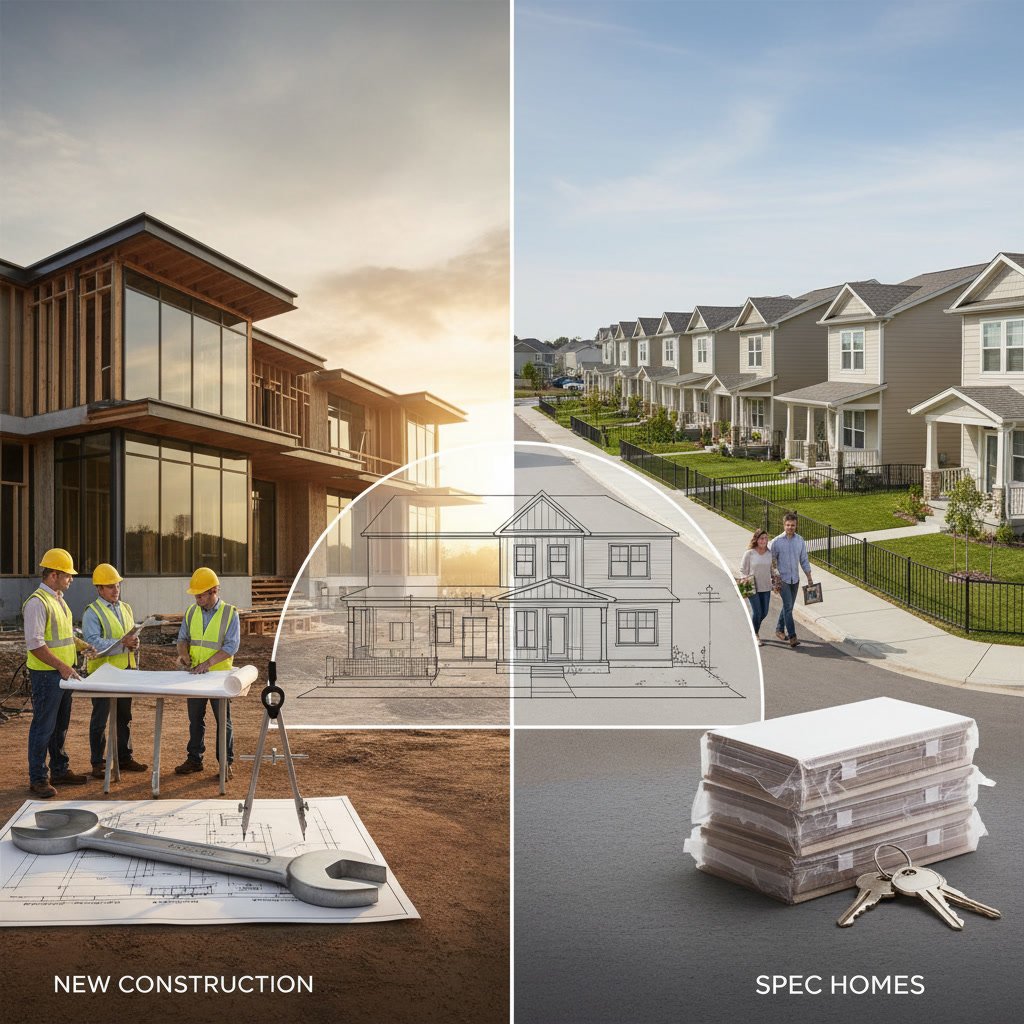
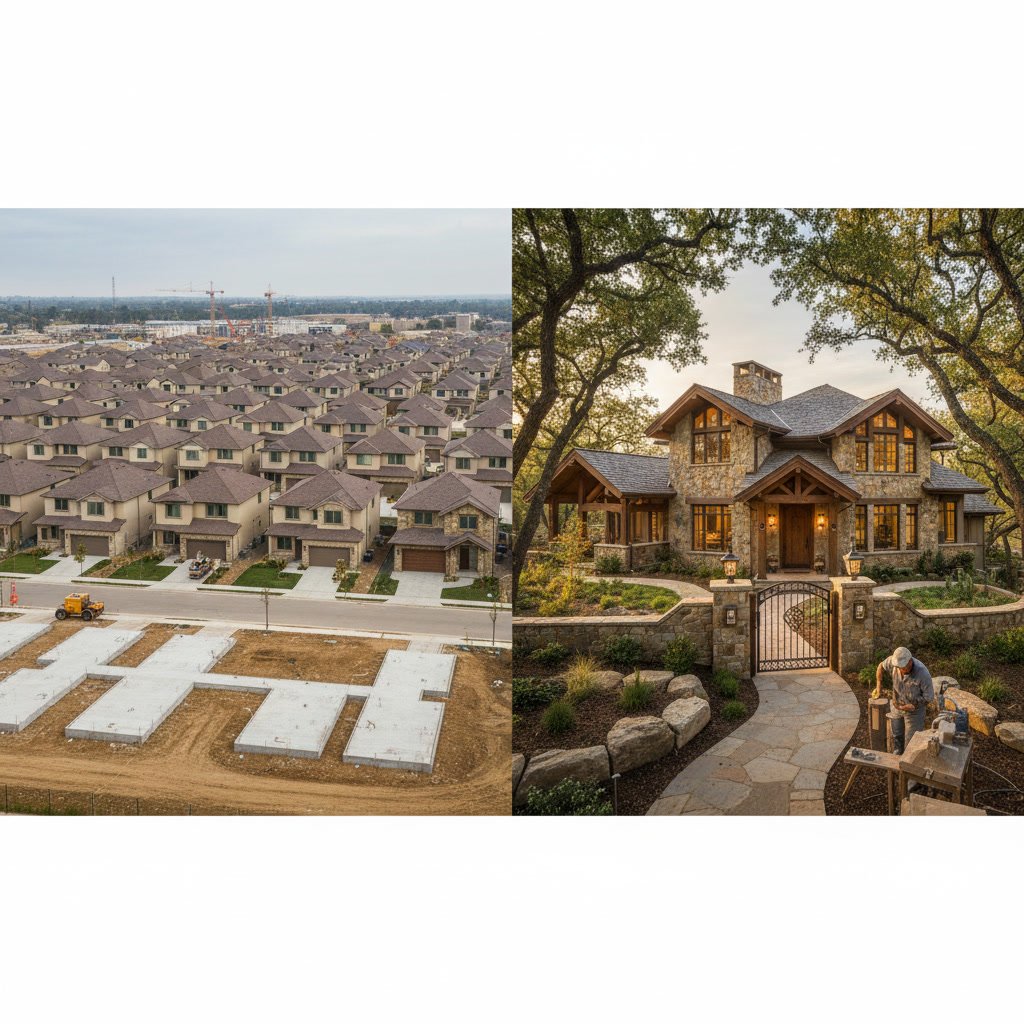
When choosing between a production builder vs custom builder, quality is often the deciding factor. Production builders offer efficiency and speed through standardized designs and bulk material purchasing, while custom builders deliver personalized craftsmanship and meticulous attention to detail. The difference in quality stems from the business model: production builders maximize volume and turnover, while custom builders focus on individual projects with hands-on oversight and premium materials.
Understanding the Production Builder Model
Production builders operate on economies of scale. They construct multiple homes simultaneously using identical or similar floor plans across entire subdivisions. This approach allows them to negotiate bulk pricing on materials, streamline labor crews across multiple sites, and move quickly from one project to the next. The goal is efficiency, not customization.
These builders typically work with a limited selection of pre-approved finishes, fixtures, and layouts. Homebuyers choose from a catalog of options rather than selecting unique materials or designing custom features. While this system reduces decision fatigue and speeds up the building process, it also limits your ability to create a truly personalized living space.
How Custom Builders Approach Each Project
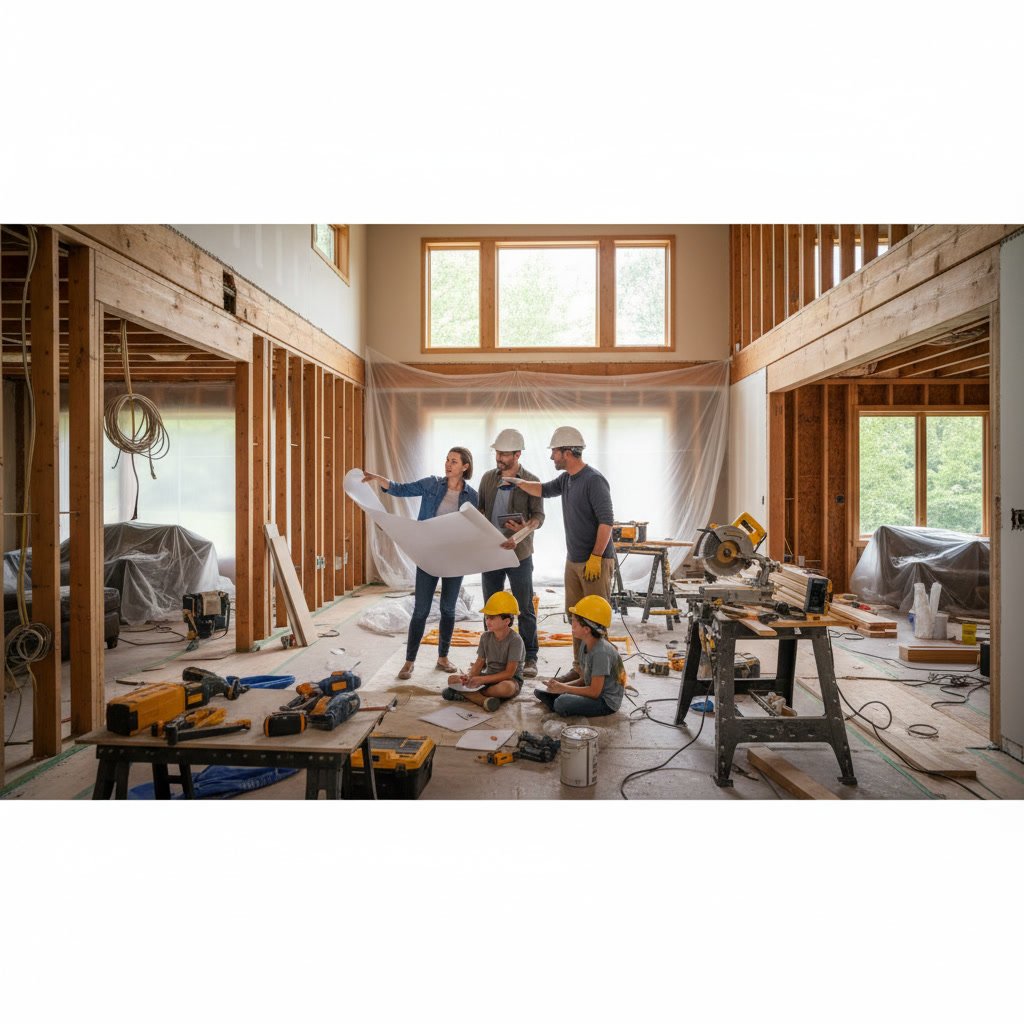
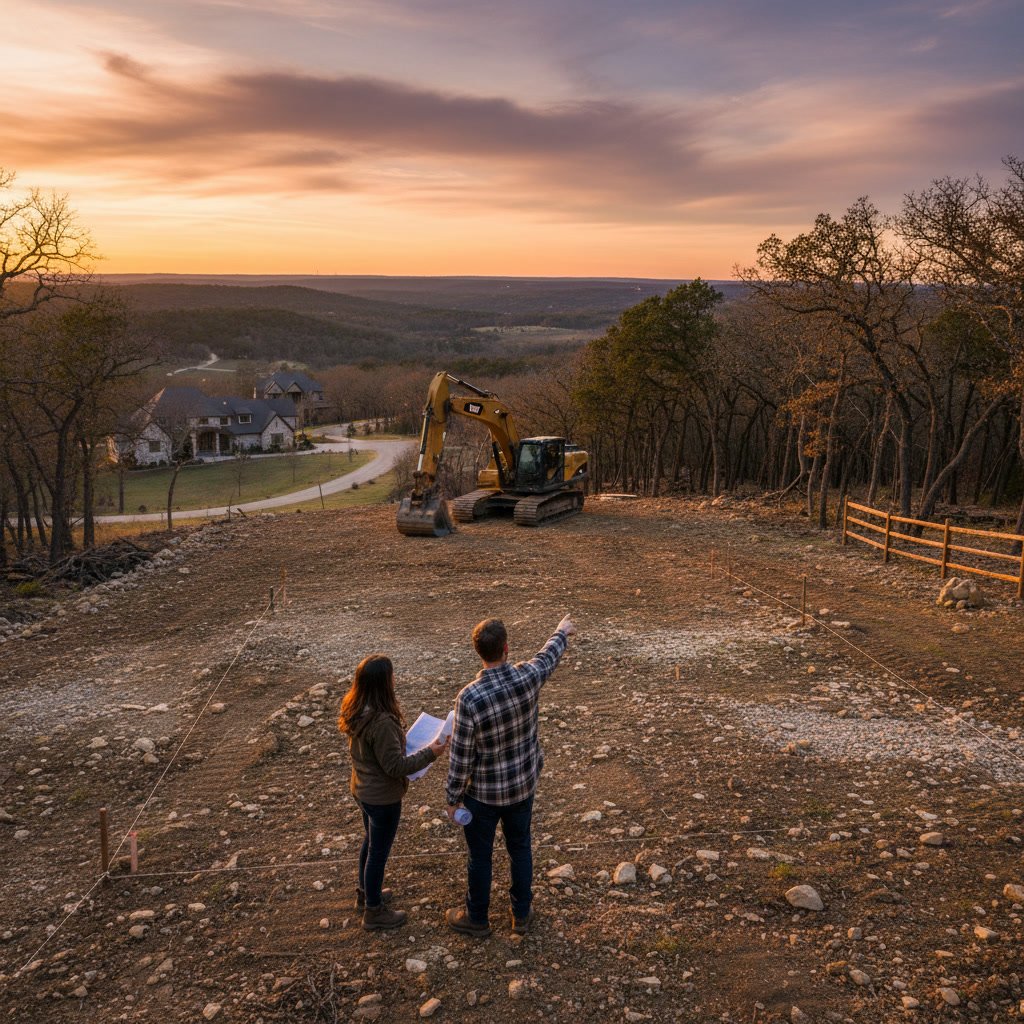
Custom builders treat every home as a unique project. From initial design through final walkthrough, the focus remains on your specific vision, lifestyle needs, and site conditions. This model requires significantly more planning, coordination, and oversight, but it delivers outcomes that production methods simply cannot match.
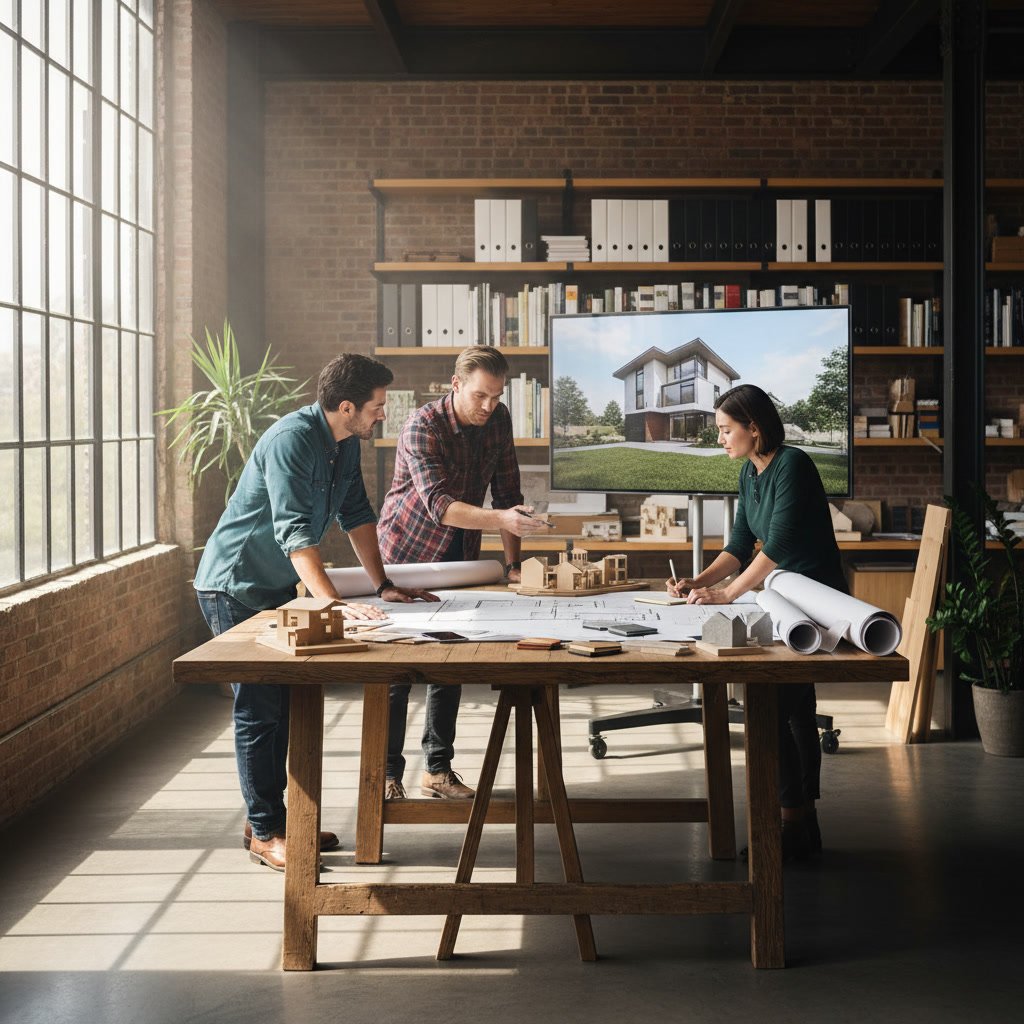
The timeline for custom home building extends beyond production schedules because quality cannot be rushed. Each trade performs work according to project-specific requirements rather than following a standardized checklist. This flexibility allows for adjustments during construction when better solutions emerge or site conditions require creative problem solving.
Material Quality and Selection Differences
Production builders purchase materials in massive quantities based on cost per unit. While they use code-compliant products, the emphasis falls on meeting minimum standards at the lowest possible price. Cabinet boxes might use particleboard instead of plywood, roofing shingles might carry shorter warranties, and framing lumber might include more grade variations.
Custom builders source materials based on performance, longevity, and aesthetic requirements for each specific project. You can specify exact tile patterns, wood species, hardware finishes, and structural components. This approach costs more upfront but delivers superior durability and satisfaction over the life of your home.
Project Management and Site Supervision
A production builder’s superintendent typically oversees six to twelve homes simultaneously. Site visits occur on rotating schedules, and decisions often route through corporate offices rather than happening on-site. This system works for standardized construction but struggles when issues require immediate attention or creative solutions.
Custom builders maintain constant oversight of active projects. With Fortune 500-level project management applied to individual homes, problems get identified and resolved before they compound. Trades receive direct supervision, ensuring workmanship meets exacting standards at every phase. This hands-on approach catches details that might slip through on high-volume sites.
Comparing Quality in Stuart and Southeast Florida
Southeast Florida’s climate and soil conditions demand specialized construction techniques. Hurricane-rated windows, advanced moisture management, and engineered foundations prove essential for long-term performance. Production builders apply standardized solutions across diverse sites, while custom builders adapt methods to specific lot conditions.
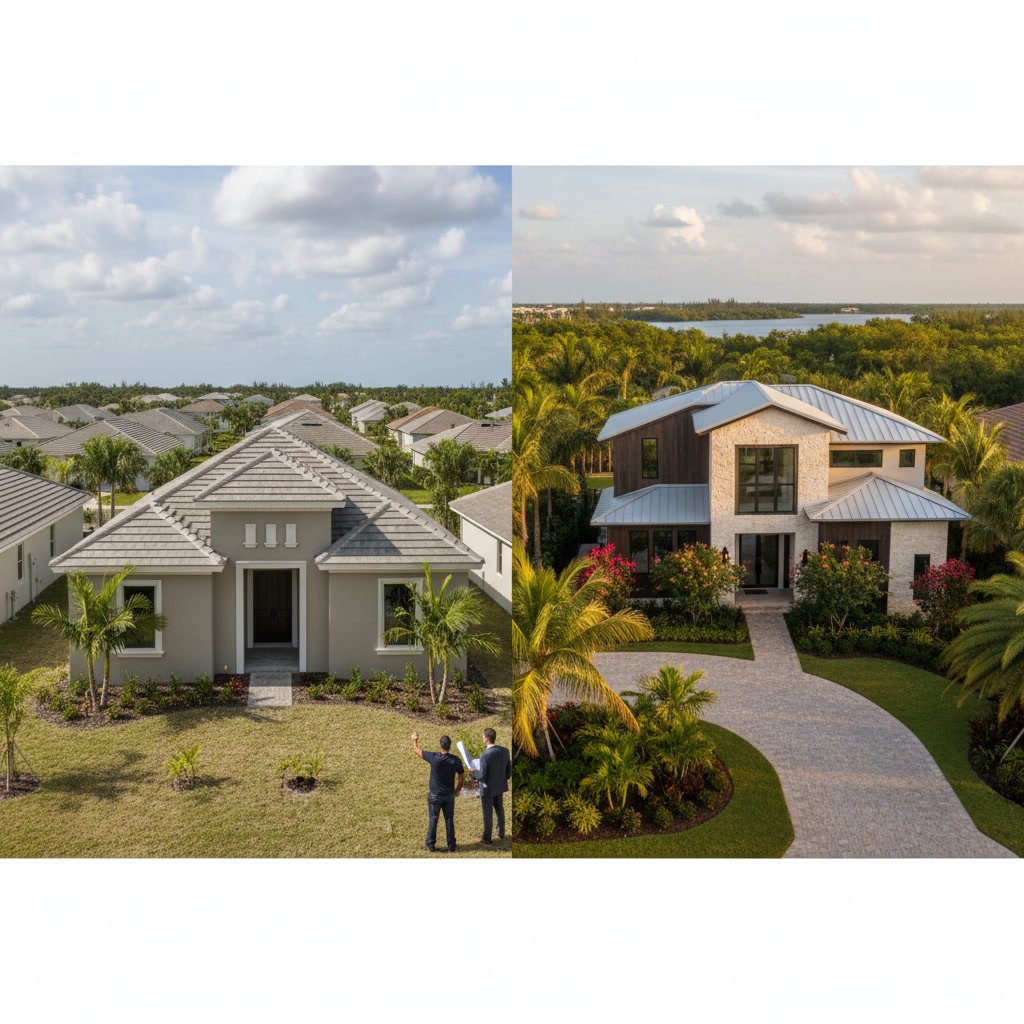
Local expertise matters significantly in this region. A builder who understands the difference between coastal and inland construction requirements, who knows which foundation systems perform best in specific soil types, and who maintains relationships with specialized tradespeople delivers outcomes that generic approaches cannot match. When choosing the right general contractor, this local knowledge becomes invaluable.
Timeline and Schedule Flexibility
Production builders operate on fixed schedules driven by sales projections and investor expectations. Your home must reach completion within predetermined windows to maintain cash flow across the entire development. Delays in one phase compress time allocated to subsequent work, sometimes resulting in rushed installations or deferred punch-list items.
Custom builders establish realistic timelines based on project complexity and quality standards. While completion dates matter, they never supersede craftsmanship requirements. If weather delays foundation work or a custom millwork order requires additional lead time, the schedule adjusts to protect quality rather than forcing compromises.
Key Quality Indicators: A Direct Comparison
Foundation and Structural Systems
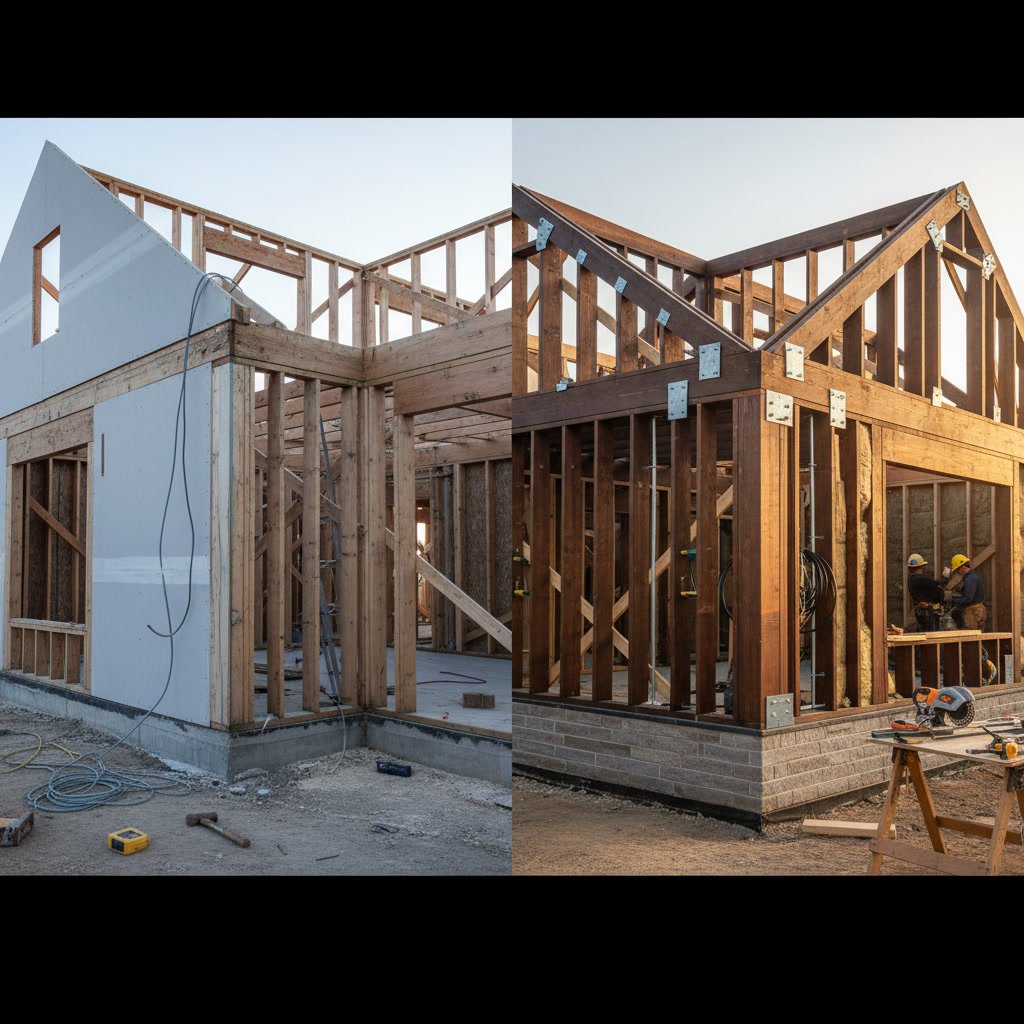
Production builders pour slab foundations to minimum code specifications, typically 4 inches thick with standard rebar spacing. Custom builders engineer foundations for specific soil conditions and load requirements, often specifying 6-inch slabs, tighter rebar grids, and additional reinforcement at critical points. The difference might add $3,000 to $8,000 to initial costs but prevents settling, cracking, and moisture issues over decades.
Framing and Rough Carpentry
Wall framing in production homes uses the minimum lumber grade and spacing allowed by code. Custom builders specify premium framing lumber, tighter stud spacing for superior wall rigidity, and engineered solutions for complex roof lines or open floor plans. This foundation-level quality affects everything built upon it, from drywall finish to long-term structural integrity.
Mechanical, Electrical, and Plumbing
Production builders route systems along the most economical paths, sometimes creating noise transfer issues or limiting future renovation flexibility. Custom installations position ductwork for optimal airflow, place outlets and switches according to furniture layouts, and use premium fixtures that homeowners actually selected rather than accepting from a limited catalog.
The Cost of Quality Over Time
Initial purchase prices tell only part of the story. Production homes often require upgrades or repairs within the first five to ten years as builder-grade components reach the end of their service life. Standard HVAC systems strain to cool open floor plans efficiently, basic roofing materials require earlier replacement, and economy-grade flooring shows wear in high-traffic areas.
Custom homes built with quality materials and proper installation techniques require less maintenance and avoid premature replacements. Energy-efficient systems reduce monthly utility costs. Durable finishes maintain their appearance without constant touch-ups. When you factor in these lifecycle costs, the quality premium of custom construction often proves more economical than the apparent savings of production building.
Warranty Coverage and Post-Construction Support
Production builders typically offer one-year workmanship warranties and pass through manufacturer warranties on major components. After closing, homeowners contact a warranty department that services hundreds or thousands of homes. Response times vary, and repairs often go to the lowest-bidding subcontractor rather than the original installer.
Custom builders stake their reputation on every project. Many provide extended warranties beyond industry standards and maintain direct relationships with the trades who performed the original work. When issues arise, you contact the builder who knows your home intimately rather than navigating a corporate service queue. This accountability drives higher initial quality and ensures responsive post-construction support.
Making the Right Choice for Your Investment
Your priorities determine which builder type suits your needs. If you value speed, predictable costs, and don’t require personalization, production building might suffice. However, if quality, customization, and long-term value matter more than initial savings, custom construction delivers superior outcomes.
Consider how long you plan to own the home. Production homes serve well for shorter ownership periods where resale value depends more on location than construction quality. Custom homes become legacy properties that appreciate based on their unique features and superior craftsmanship. The decision between building custom versus buying existing often hinges on these same considerations.
Review examples of completed work before committing. Production builders show model homes that represent their best effort with upgraded finishes. Custom builders showcase diverse projects that demonstrate adaptability, problem-solving skills, and range of capabilities. A thorough gallery reveals more about a builder’s quality standards than any marketing materials.
Quality Starts With the Right Partnership
Superior quality stems from a builder’s commitment to craftsmanship over volume. Production models prioritize efficiency and standardization, delivering acceptable results at competitive prices. Custom builders focus on individual projects, applying professional project management and hands-on expertise to create homes that exceed expectations.
The difference in quality between these approaches becomes apparent in material selection, construction techniques, site supervision, and long-term performance. While production homes meet code requirements, custom homes demonstrate what becomes possible when experience, skill, and attention to detail converge on a single project.
Edmunds General Contracting combines Fortune 500-level project management with traditional carpentry craftsmanship to deliver exceptional custom home remodeling and new construction throughout Southeast Florida. Whether you’re planning a complete custom build or transforming an existing property, our approach ensures quality that stands the test of time. Contact us at +15618954016 to discuss your project and discover how personalized attention creates homes that truly reflect your vision and values.