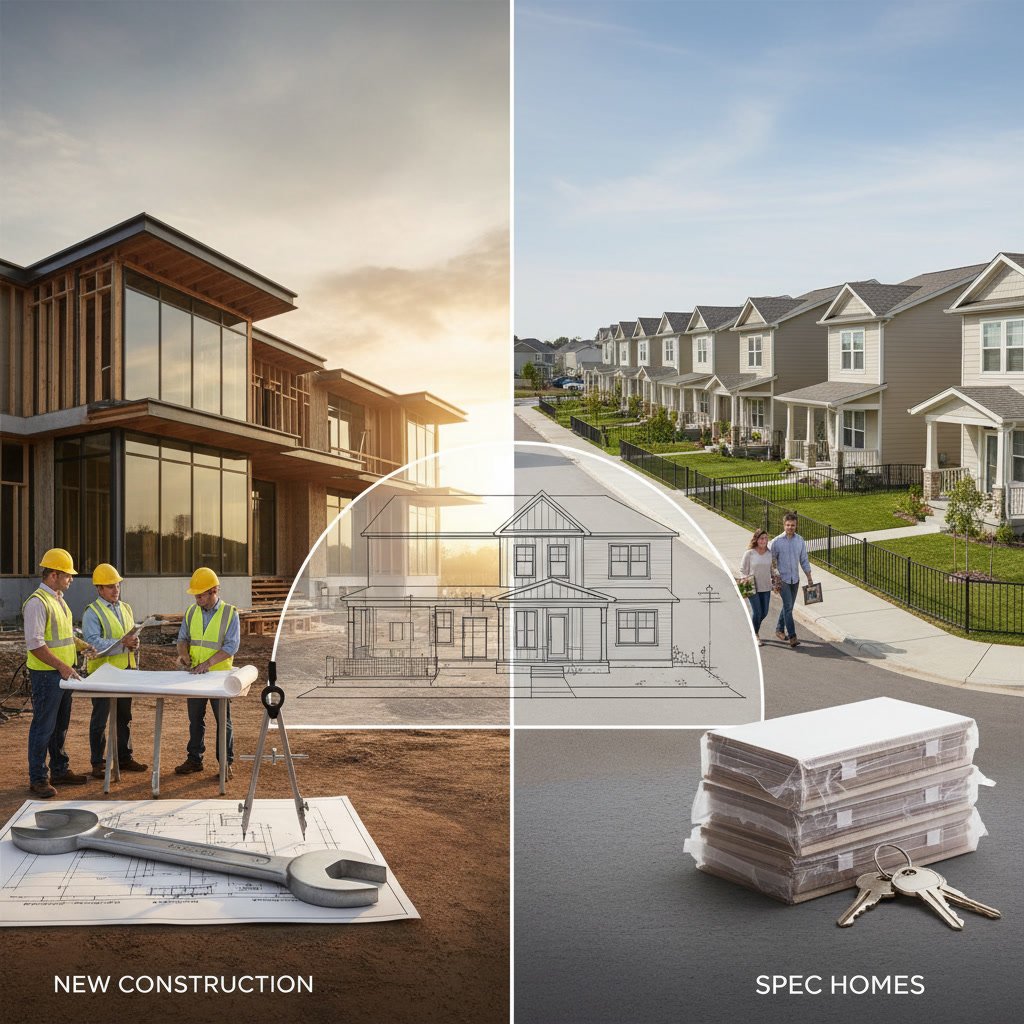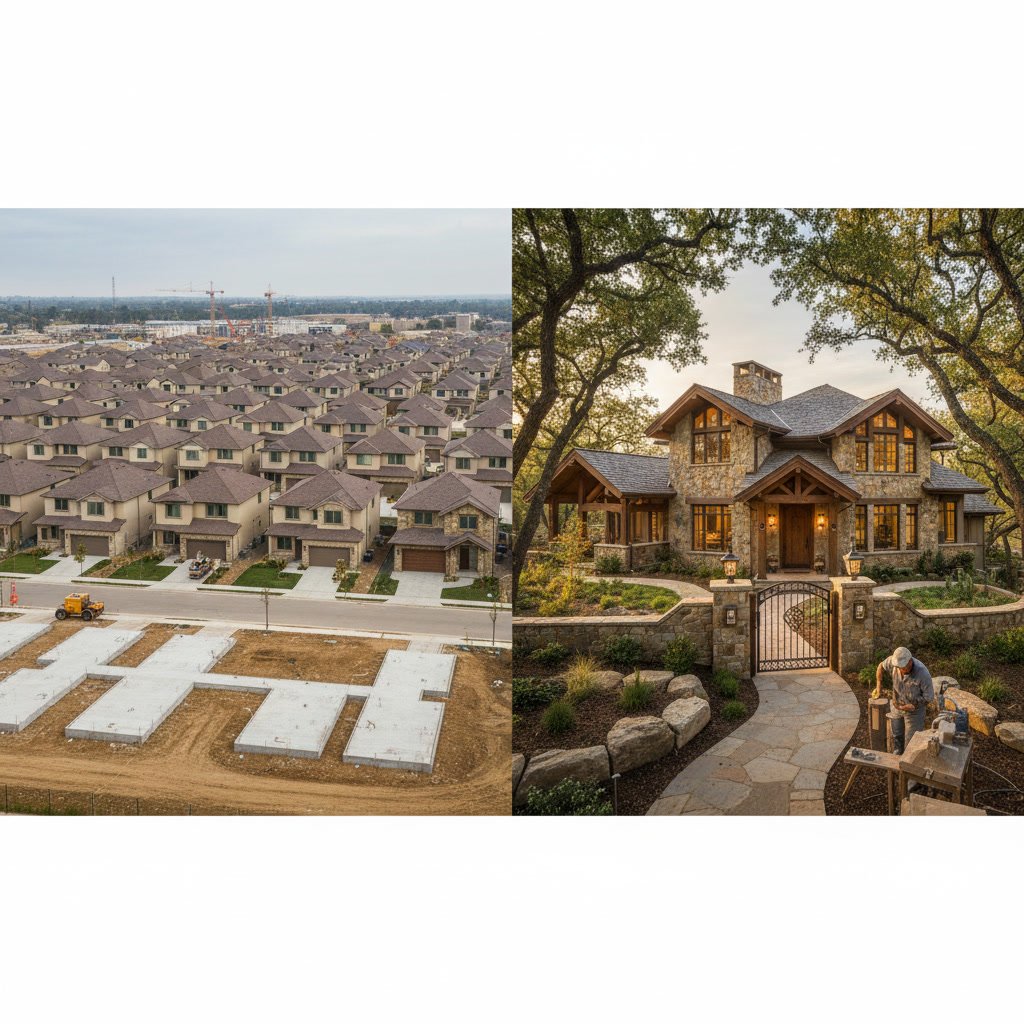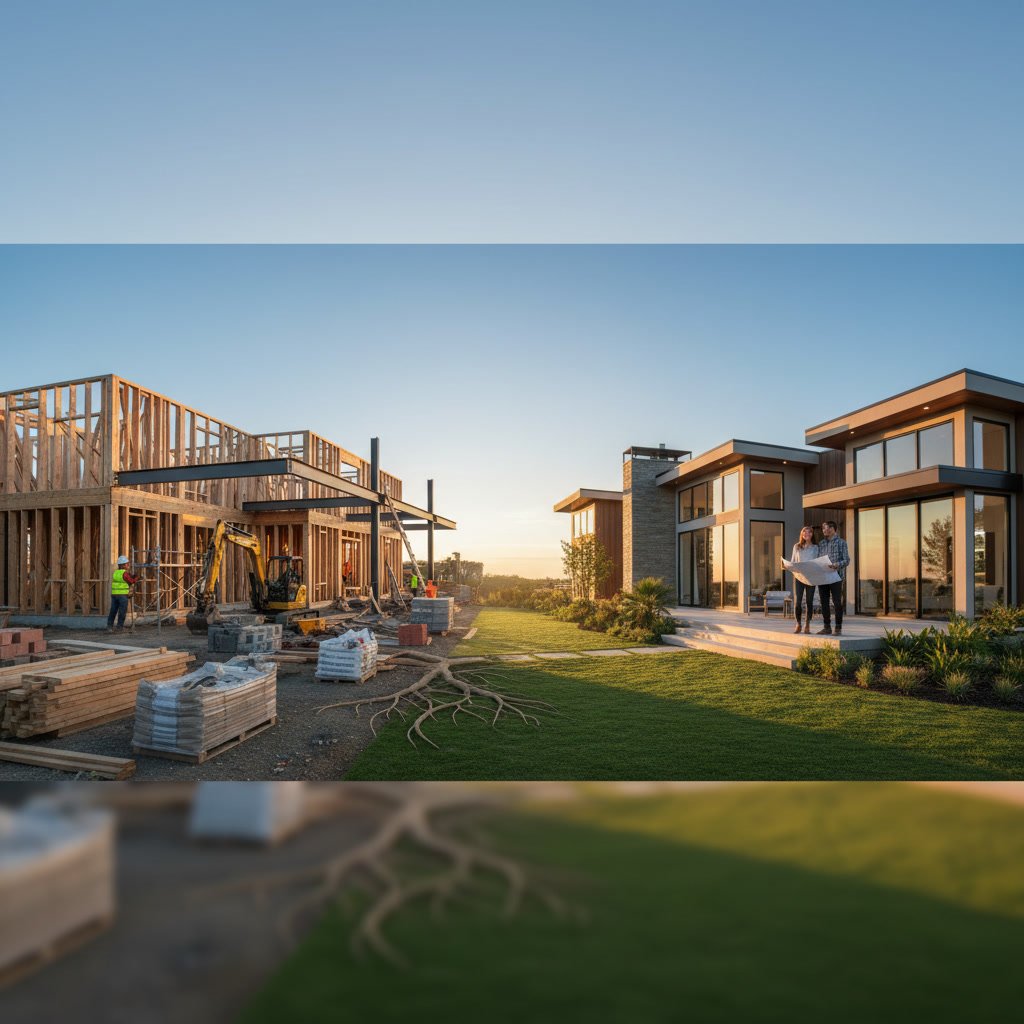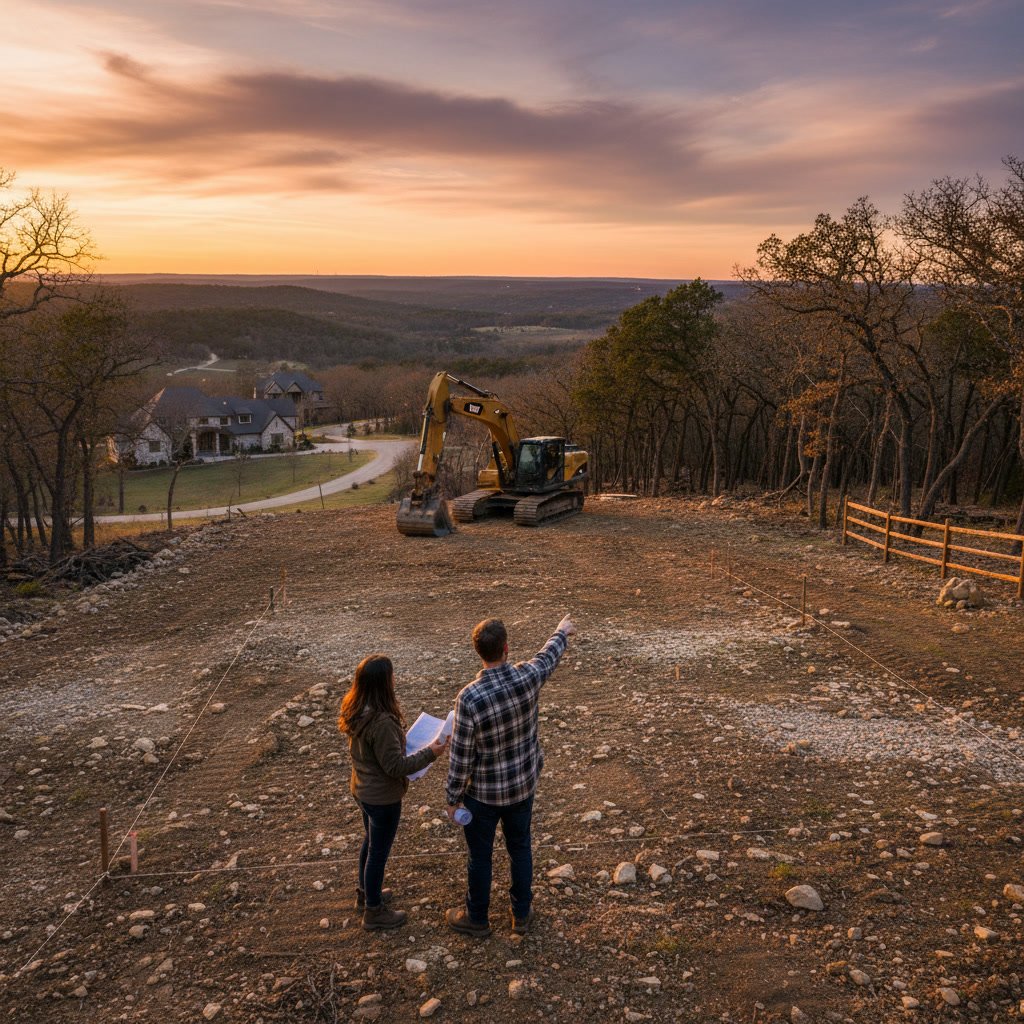
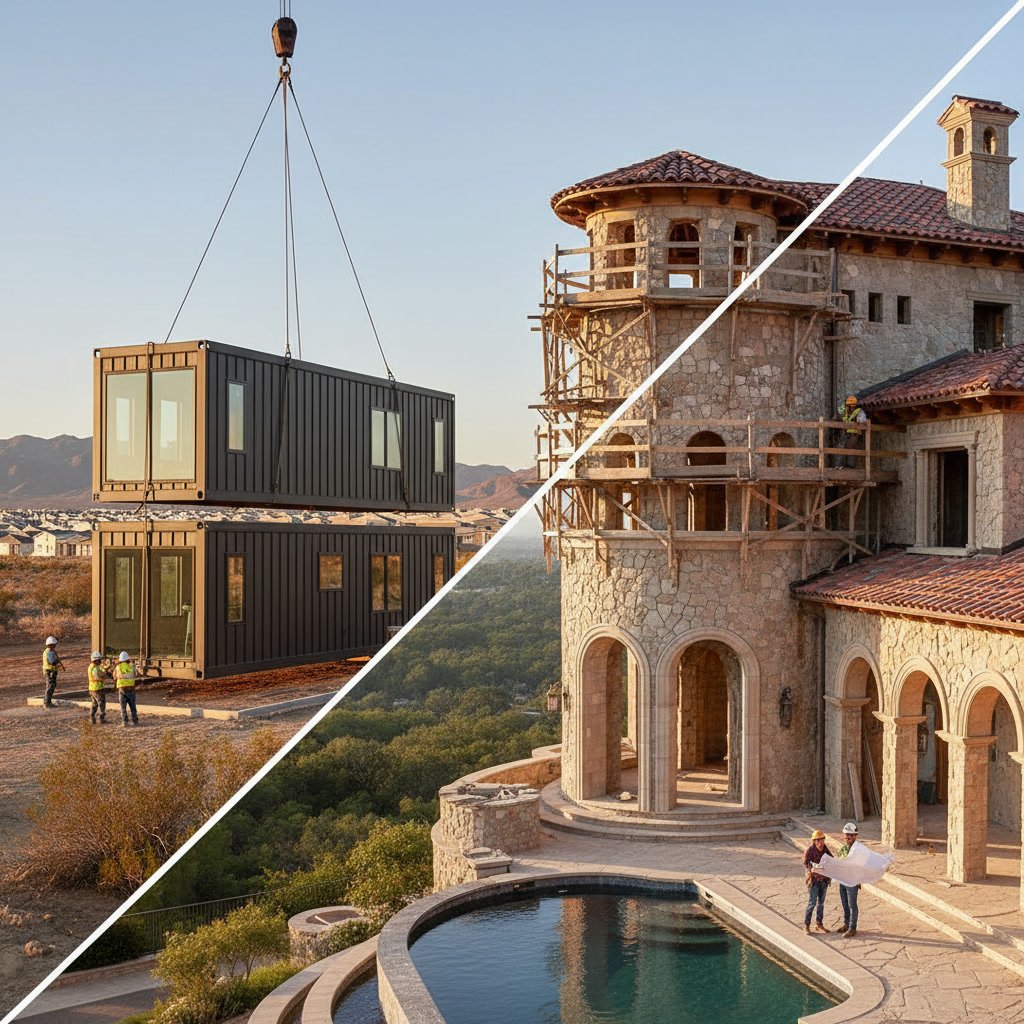
Deciding between a modular home and a custom built home comes down to budget, timeline, and how much personalization you want. Modular homes arrive in prefabricated sections and assemble quickly, while custom homes are built on-site from the ground up to your exact specifications. Understanding the trade-offs in cost, quality, and flexibility helps you choose the right path for your family. The modular vs custom built debate is not about one being universally better, but about which approach aligns with your priorities, location, and long-term vision for your property.
What Defines a Modular Home
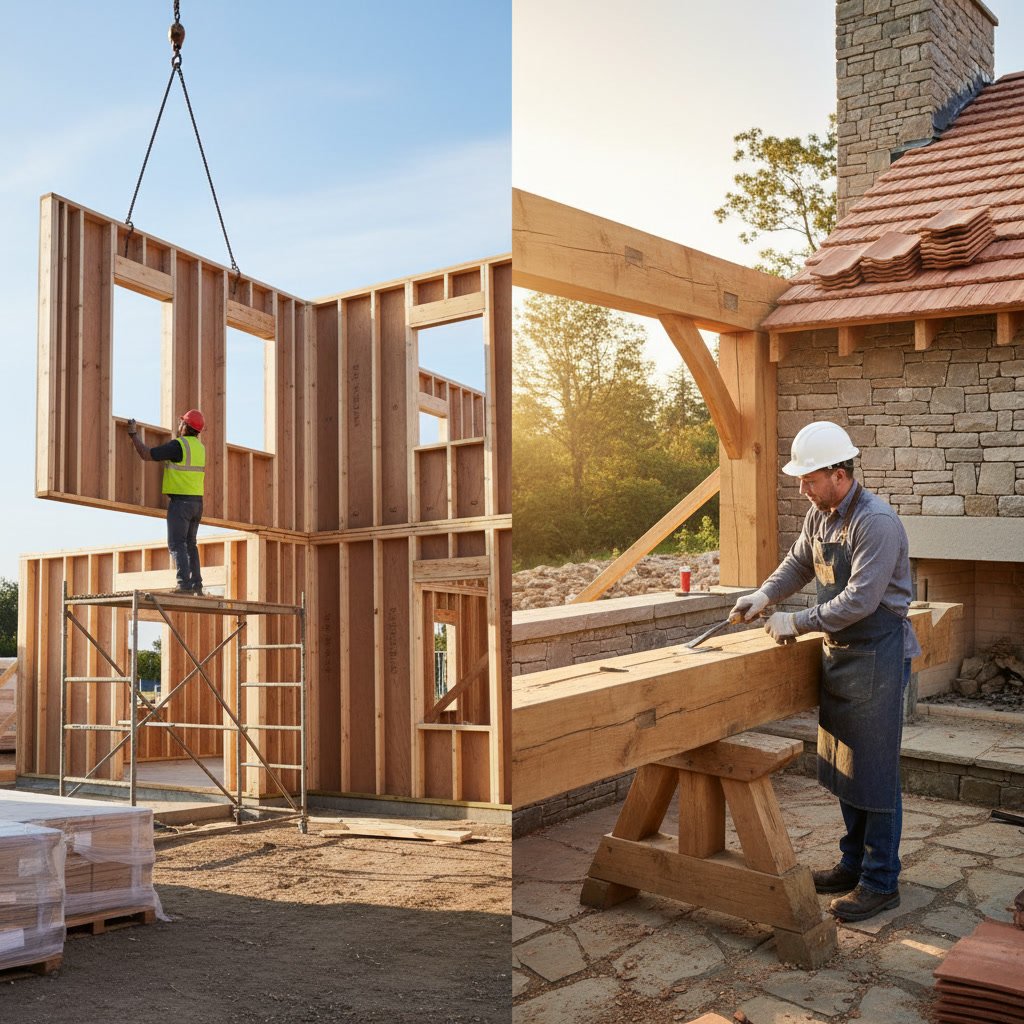
A modular home is constructed in sections, or modules, inside a factory setting. Workers build walls, install plumbing, and wire electrical systems in a controlled environment, then transport each section to your prepared site. A crane lifts the modules onto a permanent foundation, and the crew connects utilities and finishes seams. The process typically takes weeks rather than months, because weather delays do not interrupt factory assembly. Building codes still apply, and most modular manufacturers follow the same residential standards that govern site-built houses. However, design flexibility can be limited by the sizes of modules that fit onto a truck bed and the manufacturer’s catalog of floor plans.
How Custom Built Homes Work
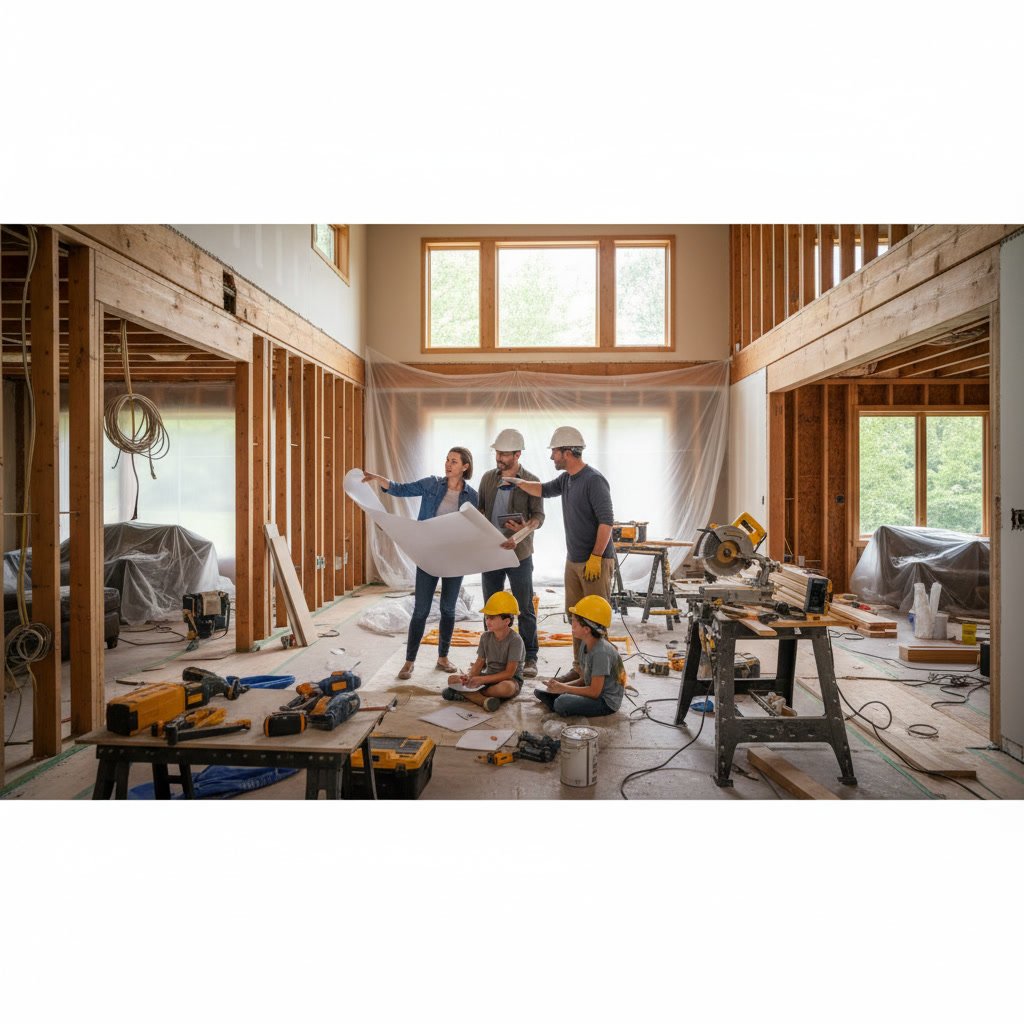
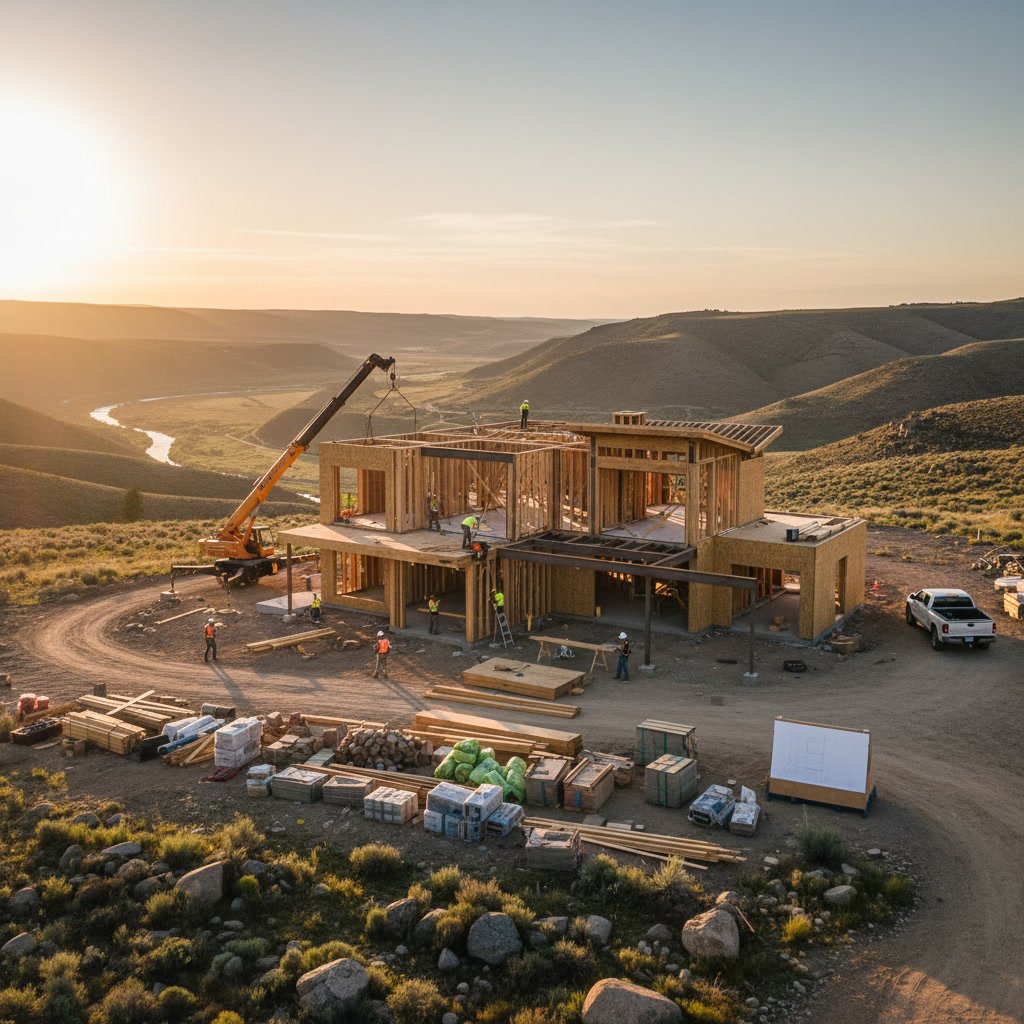
A custom built home starts with a blank canvas and a design tailored specifically to your family’s needs. You select the lot, work with an architect or designer to draft plans, and a builder frames the structure entirely on-site. Every wall, window placement, ceiling height, and finish material is chosen to match your vision. This approach requires more time because each trade must complete its work before the next phase begins, and weather or material availability can shift the schedule. The payoff is complete control over layout, materials, and architectural details that make your home unlike any other in the neighborhood.
Speed and Timeline Considerations
Modular homes shine when speed is a priority. Because factory workers assemble modules simultaneously while the site crew prepares the foundation, total construction time often falls between eight and sixteen weeks from order to move-in. Custom homes typically require six to twelve months, depending on complexity, permitting, and supply chain factors. If you need to occupy your home by a firm deadline, modular construction can deliver predictability. Custom builds allow you to adjust timelines if you discover materials or design elements you want to incorporate mid-project, but that flexibility extends the schedule.
Cost Comparison in Southeast Florida
Modular homes generally cost less per square foot than custom builds, with factory efficiency reducing labor overhead and waste. Expect modular pricing to range from $100 to $200 per square foot, depending on finish level and site preparation. Custom homes start around $200 per square foot and can climb well above $400 in coastal markets where design complexity, premium materials, and skilled labor command higher rates. Site work, foundation type, and utility hookups add similar costs to both paths. If you are working within a strict budget and can accept a limited menu of floor plans, modular construction keeps expenses predictable. When you want specific architectural features, high-end finishes, or unique layouts, the investment in custom home building reflects the personalization you receive.
Design Flexibility and Personalization
Custom homes offer nearly unlimited design freedom. You can specify vaulted ceilings in the great room, add a chef’s kitchen with commercial-grade appliances, or design a master suite with a spa-quality bath and private balcony overlooking the water. Every finish, from tile patterns to cabinetry hardware, is a deliberate choice. Modular manufacturers provide catalogs with dozens of plans and some customization options, such as cabinet color or countertop material, but structural changes often prove difficult or impossible because module dimensions are fixed by transportation constraints. If you have a specific architectural style or want your home to take advantage of a unique lot feature, custom construction delivers that vision without compromise.
Quality and Craftsmanship Differences
Quality in modular homes depends heavily on the manufacturer. Reputable factories employ skilled workers and use precision jigs to ensure straight walls and square corners, but finishing details like trim work and paint application can vary. Because modules must survive highway transport, they often include extra fasteners and structural reinforcement, which can be an advantage. Custom homes allow you to select the builder whose craftsmanship matches your standards. A builder with a background in both hands-on carpentry and large-scale project management, for example, brings an eye for detail that shows in every joint and finish surface. Inspect past projects carefully before choosing either route, because the builder or manufacturer determines final quality more than the construction method itself.
Site Requirements and Foundation Work in Stuart
Both modular and custom homes require a properly engineered foundation. In Southeast Florida, that usually means a concrete slab or pier-and-beam system designed to meet wind load and flood zone requirements. Modular homes need a foundation ready when modules arrive, so site prep must be completed before factory assembly finishes. Any delay in permitting or excavation can create costly storage fees for finished modules. Custom builds allow the foundation and framing to proceed in parallel with design refinements, giving you flexibility if soil conditions or survey results require adjustments. Coastal lots with elevation or drainage challenges often benefit from the adaptability that new construction provides, because the crew can respond to site conditions in real time.
Resale Value and Market Perception
Custom homes typically command higher resale values because buyers perceive them as unique and built to higher standards. A well-designed custom home on a desirable lot appreciates at rates comparable to traditional site-built houses. Modular homes have improved in market perception over the past decade, but some buyers still conflate them with manufactured or mobile homes, which are regulated differently and often depreciate. If you plan to sell within five to ten years, location and finish quality matter more than construction method, but a custom build gives you an edge in competitive markets. For families planning to stay long-term, resale concerns matter less than how well the home serves daily life.
Financing and Appraisal Challenges
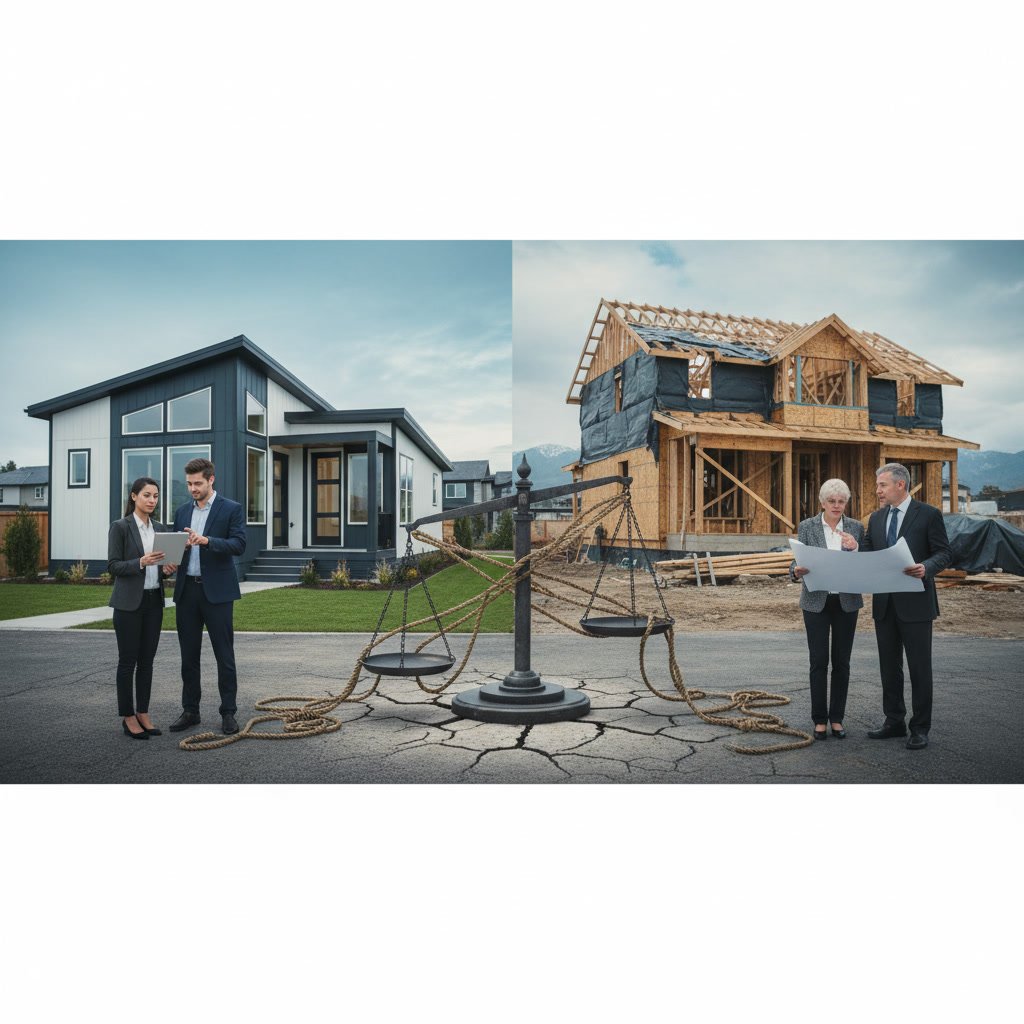
Securing a mortgage for a modular home can be straightforward if the structure meets local building codes and rests on a permanent foundation. Lenders treat these homes like traditional site-built properties. However, some appraisers struggle to find comparable sales if modular homes are rare in your area, which can affect loan approval. Custom homes financed through construction-to-permanent loans require detailed plans and a builder with a solid track record. The lender releases funds in stages as work progresses, which ties approval to both the lot value and the builder’s credibility. Working with a builder who understands the financing process and provides transparent documentation helps avoid delays and ensures appraisals reflect the home’s true value.
Energy Efficiency and Long-Term Performance
Both modular and custom homes can meet high energy performance standards if designed with that goal. Modular factories often achieve tight building envelopes because workers install insulation and air barriers in controlled conditions, reducing gaps that cause air leakage. Custom builders can specify spray foam insulation, high-performance windows, and advanced HVAC systems that exceed code minimums. The real differentiator is the builder or manufacturer’s commitment to energy efficiency rather than the construction method. In Florida’s humid climate, proper vapor management and efficient cooling systems reduce operating costs and improve comfort. If energy performance is a priority, request detailed specifications and third-party testing regardless of which path you choose.
Making the Right Choice for Your Family
Choose a modular home if you value speed, predictable costs, and a proven floor plan that meets your needs without extensive customization. This path works well for buyers who need to move quickly, have budget constraints, or prefer a streamlined decision process. Opt for a custom home if you want complete control over design, materials, and finishes, or if your lot presents unique challenges that require adaptive building techniques. Custom construction suits families who plan to live in the home for decades and want every detail to reflect their lifestyle. Before deciding, visit completed examples of both types, review builder portfolios, and clarify your must-haves versus nice-to-haves. Understanding how much a custom home costs in your area helps set realistic expectations, and consulting experienced builders who have managed both approaches provides perspective on which suits your situation.
Building a Home That Fits Your Vision
The decision between modular and custom construction ultimately reflects your priorities around time, budget, and personalization. Modular homes deliver efficiency and speed, while custom builds offer design freedom and craftsmanship tailored to your exact specifications. Both require careful planning, a solid foundation, and a reputable builder or manufacturer. Edmunds General Contracting combines Fortune 500-level project management with hands-on carpentry expertise to deliver custom homes that stand apart in quality and attention to detail across Southeast Florida.
If you are ready to explore whether a custom built home is the right investment for your family, reach out to discuss your vision, site conditions, and timeline. Call +15618954016 to schedule a consultation and discover how Edmunds General Contracting transforms ideas into homes built to last.