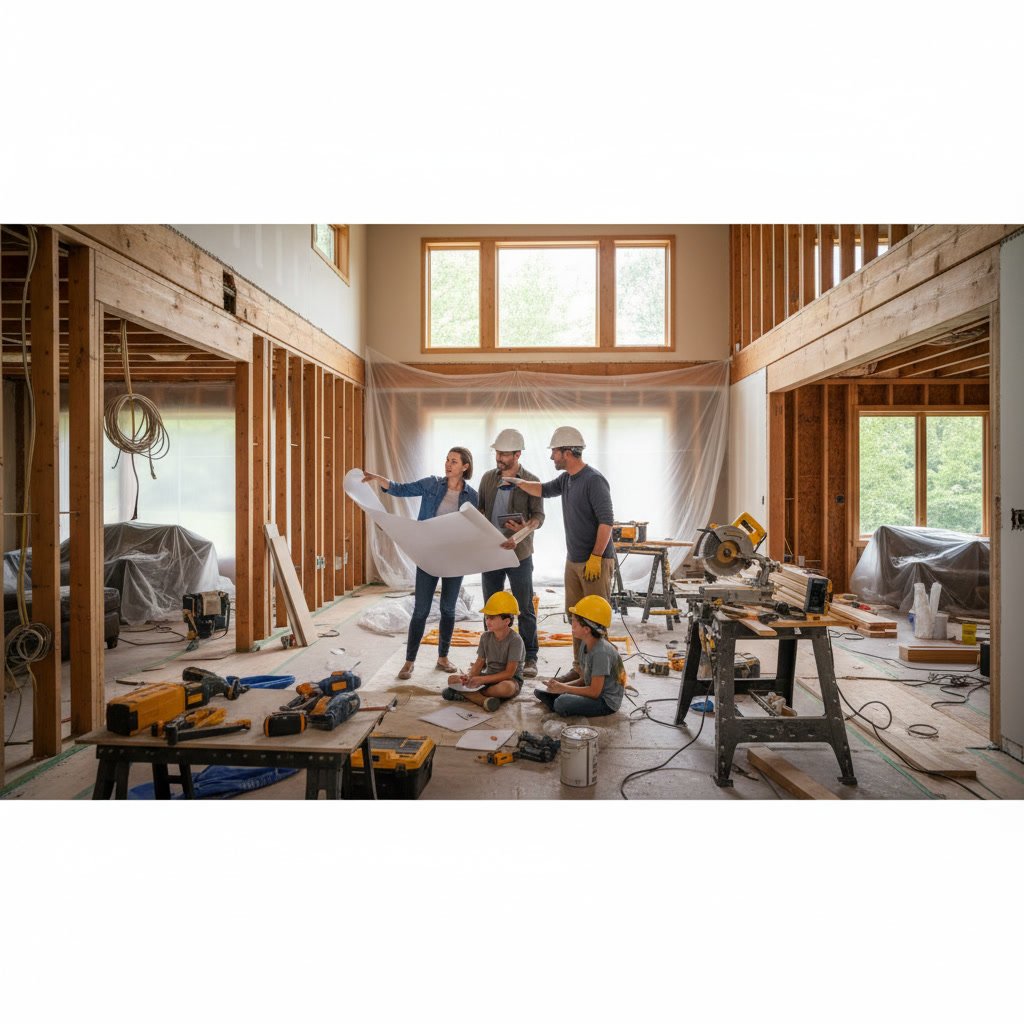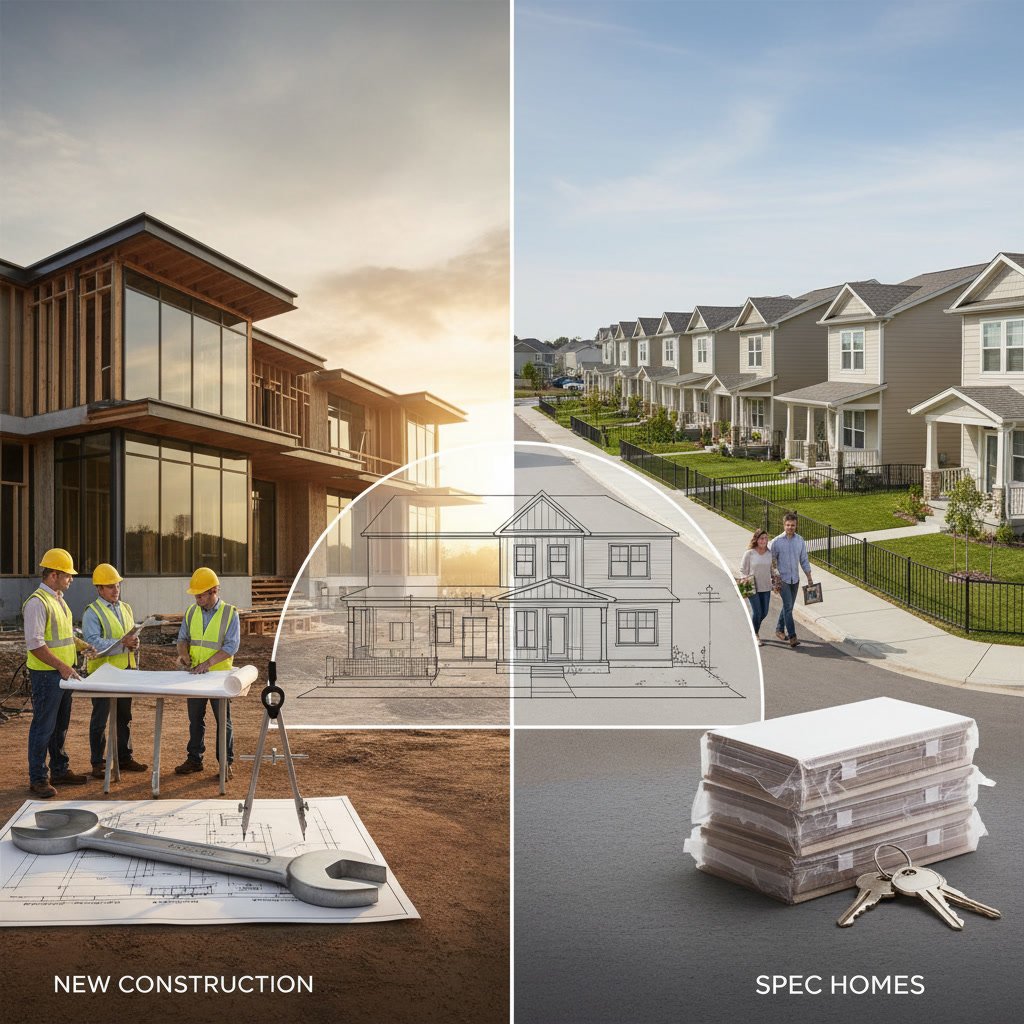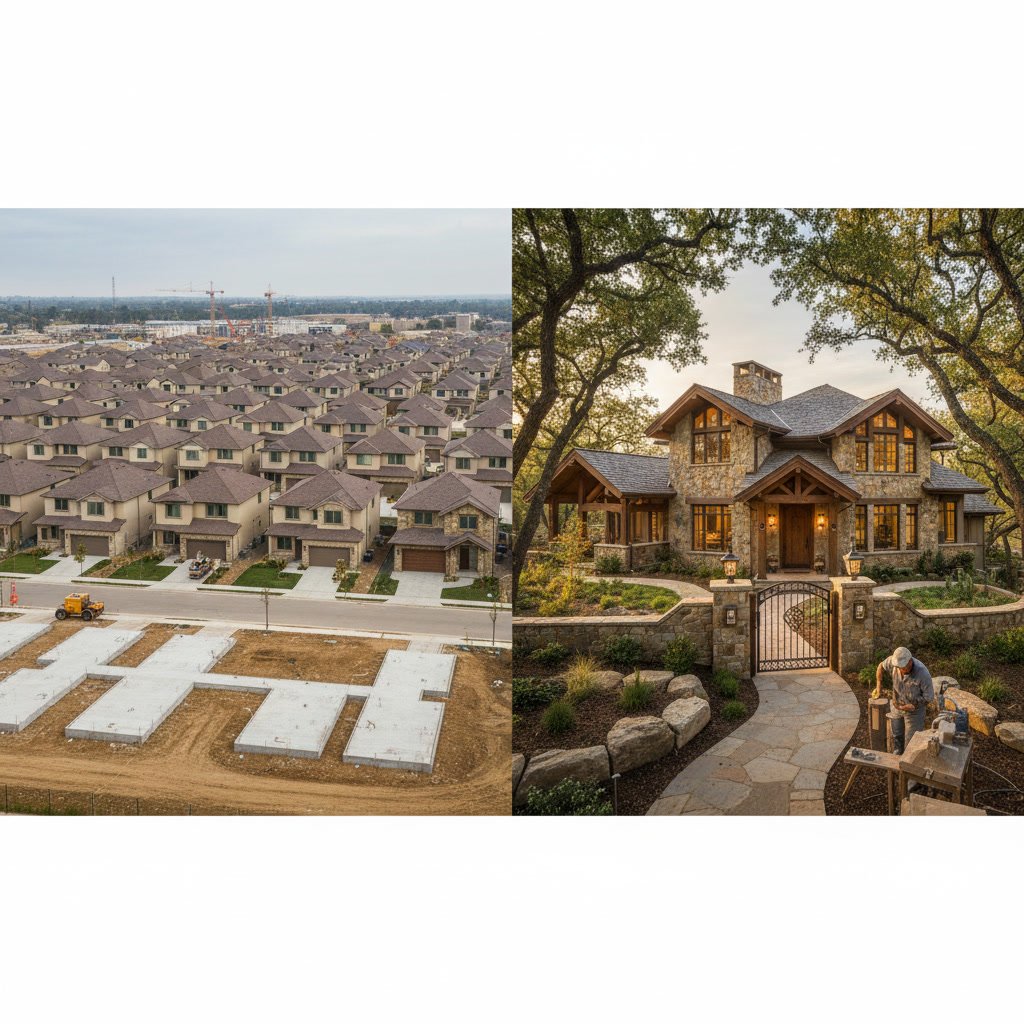
Deciding to build custom home vs buy existing comes down to your lifestyle needs, budget timeline, and long-term goals. Building custom allows complete control over layout, materials, and location, while buying existing offers faster move-in and established neighborhoods. The right choice depends on whether you value personalization and modern systems over immediate availability and lower upfront effort.
Many homeowners in Southeast Florida face this decision when they realize their dream home doesn’t exist on the market. The question isn’t just about cost or convenience. It’s about whether the homes currently for sale can truly meet your family’s specific needs, both now and 20 years from today.
Why Most Existing Homes Fall Short
The resale market offers homes designed for someone else’s life. Floor plans reflect trends from decades past, when families gathered differently and worked from corporate offices instead of home. You might find a house with four bedrooms but discover the master suite sits next to the kids’ rooms, or the kitchen lacks an island large enough for meal prep and homework.
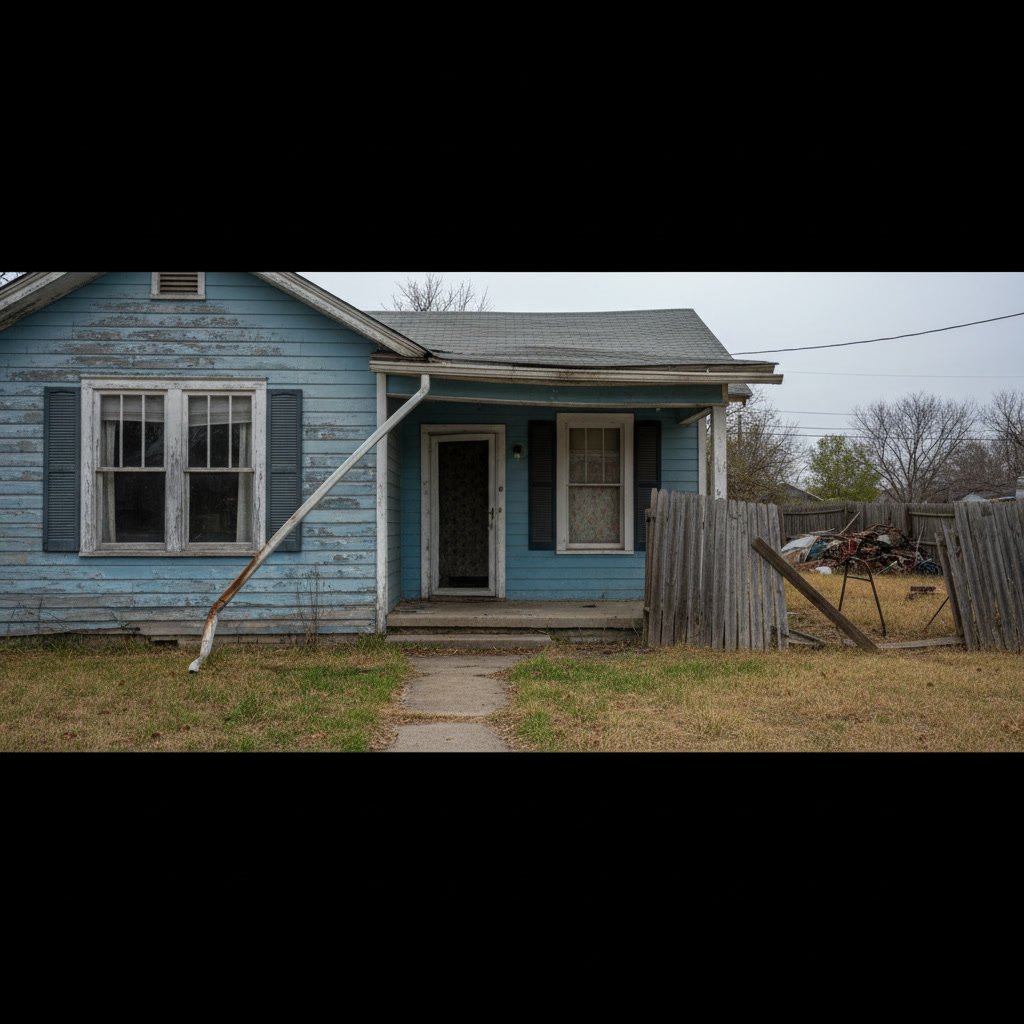
Older homes hide expensive problems behind fresh paint. Electrical panels from the 1980s weren’t designed for today’s load. Plumbing lines corrode silently behind walls. HVAC systems run inefficiently, driving up monthly bills while failing to cool bedrooms evenly. The true cost emerges during inspection or, worse, after closing.
Your Lifestyle Doesn’t Match Standard Floor Plans
If you’ve toured 30 homes and none feel right, that’s a signal. Standard builders construct for the broadest market, not your specific daily routine. Maybe you need a true home office with separate entry for clients. Perhaps you want an outdoor kitchen that functions year-round in Florida’s climate, or a workshop separated from living space.
Families with aging parents face this acutely. Adding a first-floor suite with accessible bathroom to a two-story home costs tens of thousands and rarely integrates seamlessly. When you custom home building from the start, multi-generational layouts become part of the original design, not an awkward retrofit.
You Want Energy Efficiency That Actually Delivers
New construction in 2025 follows building codes dramatically stricter than those from even 10 years ago. Insulation values, window ratings, and HVAC efficiency standards have all improved. A custom home built to current code will cost 30 to 40 percent less to cool than a comparable home from 2005.
Beyond code minimums, custom builds let you choose upgraded insulation, impact-resistant windows with low-E coatings, and zoned HVAC systems that condition only occupied rooms. These choices pay back through lower utility bills every single month. Existing homes require expensive upgrades to reach the same performance level, and some older construction methods make those upgrades difficult or impossible.
The Lots You Love Have No Houses on Them
Perhaps you’ve found the perfect parcel: a waterfront lot in Hobe Sound, a quiet acre backing to preserve land, or an infill site in an established neighborhood you refuse to leave. Bare land often costs less per square foot than buying an existing home on a similar lot, especially in desirable areas where inventory stays tight.
Building on your chosen lot also means no compromise on orientation. You can position the home to capture prevailing breezes, frame specific views, or maximize southern exposure for natural light. Existing homes sit where the original builder placed them, and you adapt your life to that unchangeable decision.
Renovation Costs Approach New Construction Pricing
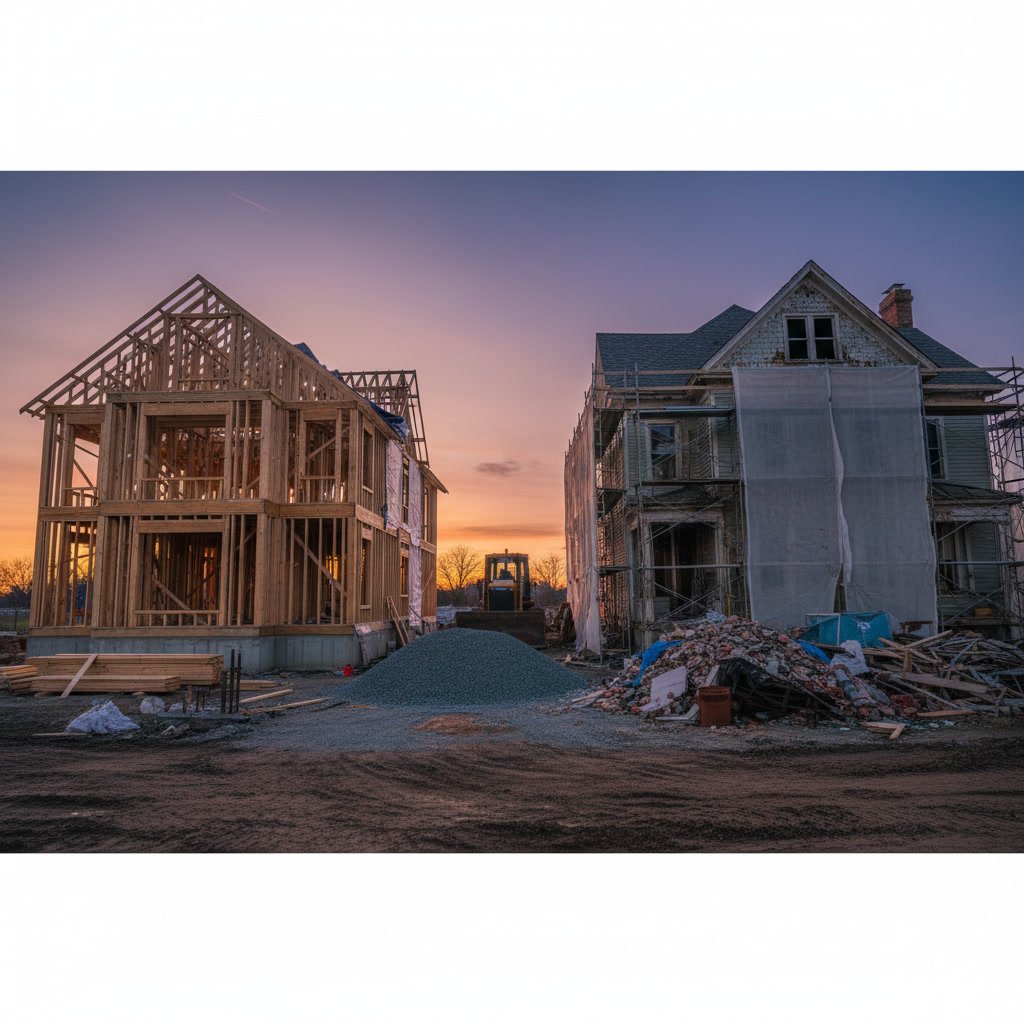
When the remodel estimate rivals 70 percent of new construction cost, the math shifts. Gutting and rebuilding within an existing footprint forces you to work around old foundations, roof lines, and setback restrictions. You inherit structural limitations while paying premium prices for demolition and retrofit labor.
A detailed cost comparison often surprises buyers. Understanding how much a custom home costs to build in your area clarifies whether renovation or new construction delivers better value. Factor in the months of living elsewhere during major renovation, and new construction timelines become competitive.
You Need Modern Open-Concept Living Space
Homes built before 2000 typically feature compartmentalized rooms: separate formal dining rooms, closed-off kitchens, and small family rooms. Removing walls in older homes sounds simple but often requires expensive structural engineering. Load-bearing walls need beams and columns. Mechanical systems require rerouting. The project balloons beyond the original vision.
Custom new construction designs the open floor plan from day one. Beams get sized correctly during engineering. HVAC ducts route through ceilings planned around the layout. Electrical outlets land exactly where furniture will sit. The result looks intentional because it is, rather than appearing as a remodel that fought against the home’s original bones.
You Want Smart Home Integration Throughout
Retrofitting whole-home automation into existing construction means surface-mounted conduit, limited sensor placement, and network dead zones where walls block signals. Custom builds run conduit and network cable during framing, when walls stand open and access costs nothing extra.
Integrated lighting control, distributed audio, security cameras, and climate management all function better when designed into the electrical plan. Battery backup for network equipment, dedicated circuits for server closets, and pre-wire for future technology become simple line items rather than invasive retrofits.
Key Differences: Build Custom Home vs Buy Side by Side
Timeline stands as the most obvious difference. Existing homes close in 30 to 45 days. Custom construction requires 10 to 14 months from design through completion. If you need to move by a specific date for work or school, buying existing may be your only realistic option.
Upfront involvement differs dramatically. Buying existing means touring, making an offer, and moving in. Custom building requires dozens of decisions: floor plan approval, exterior elevations, interior finishes, fixture selections, and landscape design. Some buyers find this process exciting. Others find it exhausting. Your personality matters here.
Long-term maintenance costs favor new construction. Every system carries a warranty. Nothing needs replacement for years. You know the exact quality of materials because you approved each one. Existing homes always carry unknowns. Even thorough inspections miss problems that only emerge over time.
Equity building follows different paths. Existing homes in desirable areas may appreciate faster initially. Custom homes let you capture the difference between land cost and improved property value immediately. In markets like Jupiter, both strategies can work depending on location and timing.
Special Situations That Demand Custom Construction in Stuart
Certain scenarios make custom building the clear choice. If you have specific accessibility needs beyond standard ADA guidelines, custom design accommodates them perfectly. Severe allergies or chemical sensitivities require control over every material installed. Home-based businesses with unique requirements rarely find existing spaces that work without major modification.
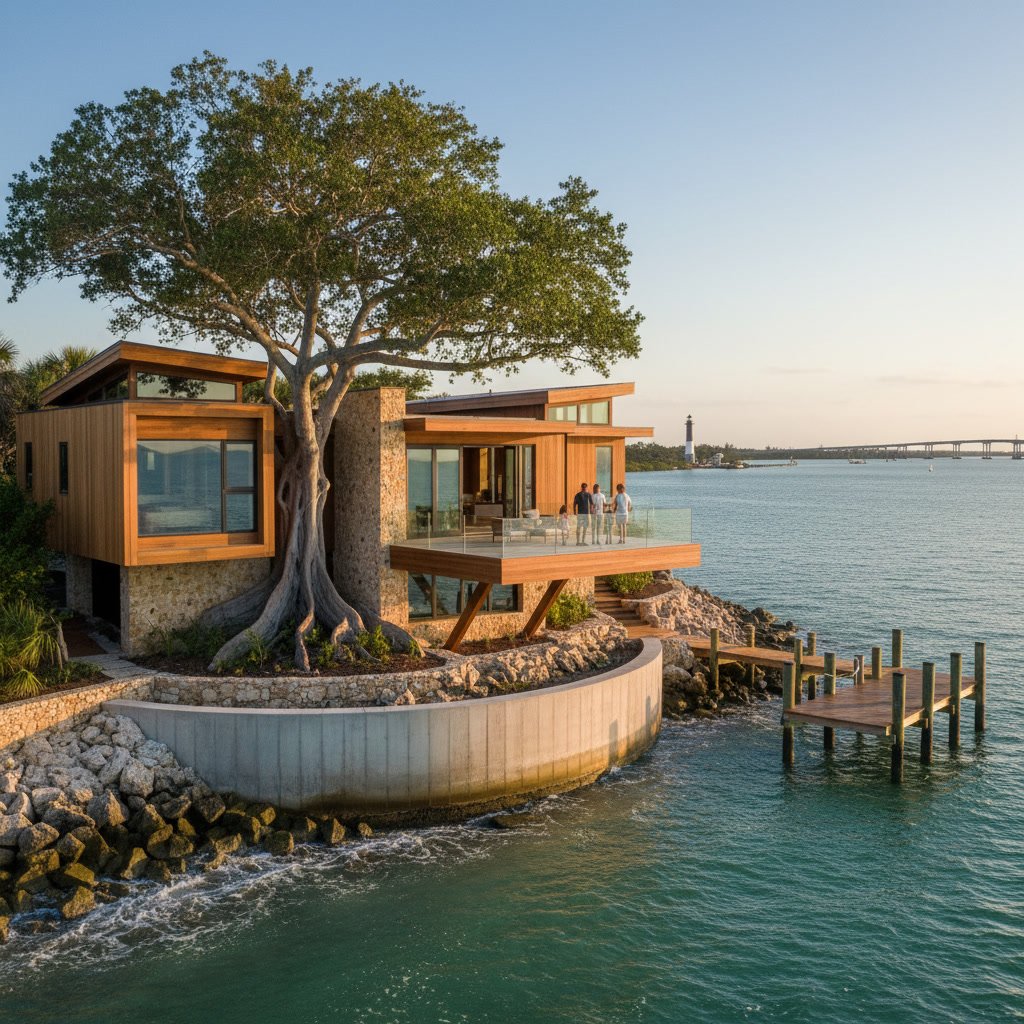
Waterfront properties often need elevation or pile construction to meet flood requirements. Older waterfront homes may not comply with current FEMA standards. Building new ensures full compliance and often qualifies for lower flood insurance premiums. Working with experienced professionals who understand how to choose the right general contractor becomes essential for these technical builds.
When Buying Existing Makes More Sense
Buying existing works well when time matters more than customization. If your lease ends in three months or you’ve accepted a job requiring immediate relocation, building isn’t practical. Established neighborhoods with mature landscaping and strong community ties also favor existing inventory.
First-time buyers often benefit from starting with an existing home. The buying process teaches you what matters in daily living. Many people discover their priorities shift after living in a space for several years. Your second home purchase, whether existing or custom, becomes far more informed.
Budget constraints sometimes dictate the decision. While custom construction offers long-term value, it typically requires larger down payments and construction loan financing. Some buyers simply can’t access the capital needed to build, making existing homes their only viable path to ownership.
Making the Right Choice for Your Family’s Future
The decision to build new or buy existing shapes your daily life for years. Custom construction delivers a home that fits your family exactly, with modern systems, energy efficiency, and layouts designed around how you actually live. The process requires patience, active participation, and a longer timeline than buying existing.
Existing homes offer faster occupancy and established neighborhoods but come with compromises on layout, condition, and efficiency. Renovation can address some issues but rarely achieves the same result as purpose-built design.
Edmunds General Contracting brings Fortune 500-level project management and hands-on carpentry craftsmanship to every new construction project across Southeast Florida. If you’re weighing your options and want to explore what custom building could deliver for your family, a conversation helps clarify whether the investment aligns with your goals and timeline. Reach out at +15618954016 to discuss your vision and get honest guidance on the best path forward.