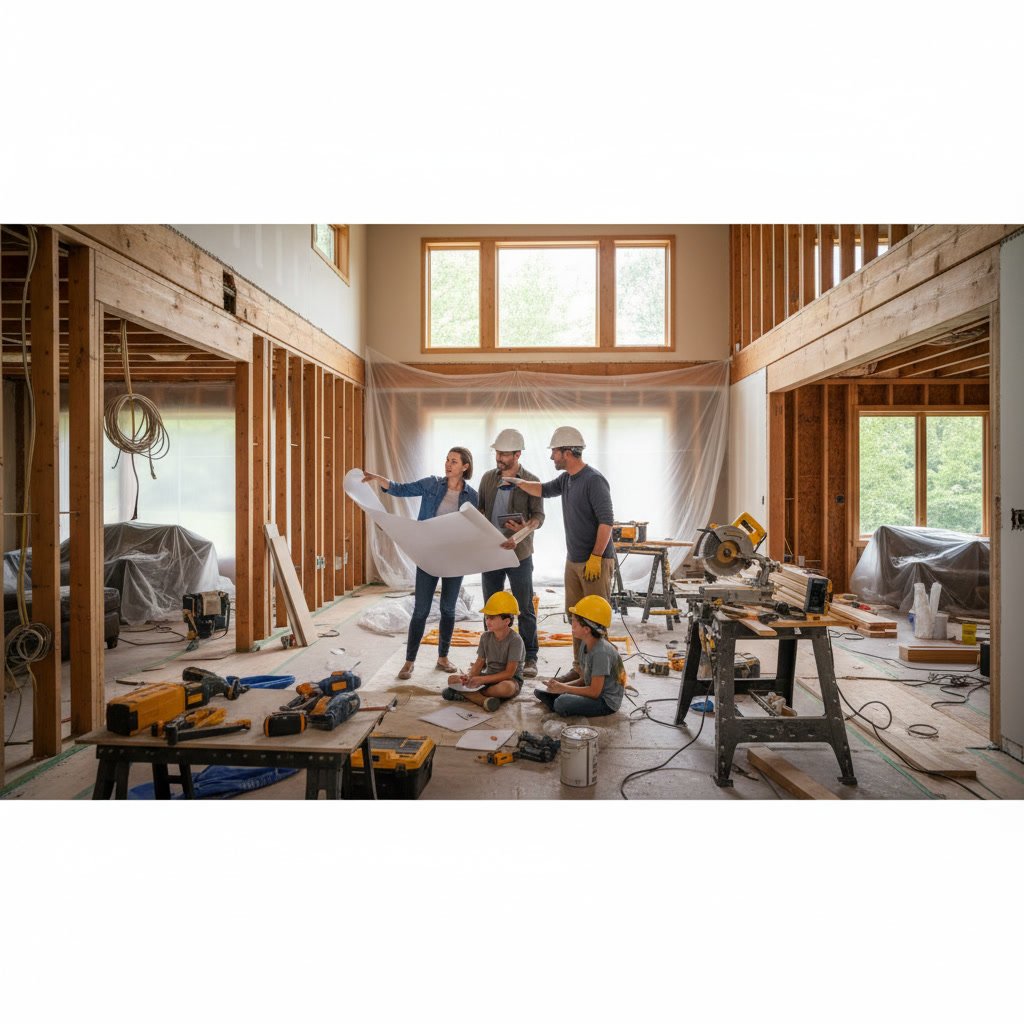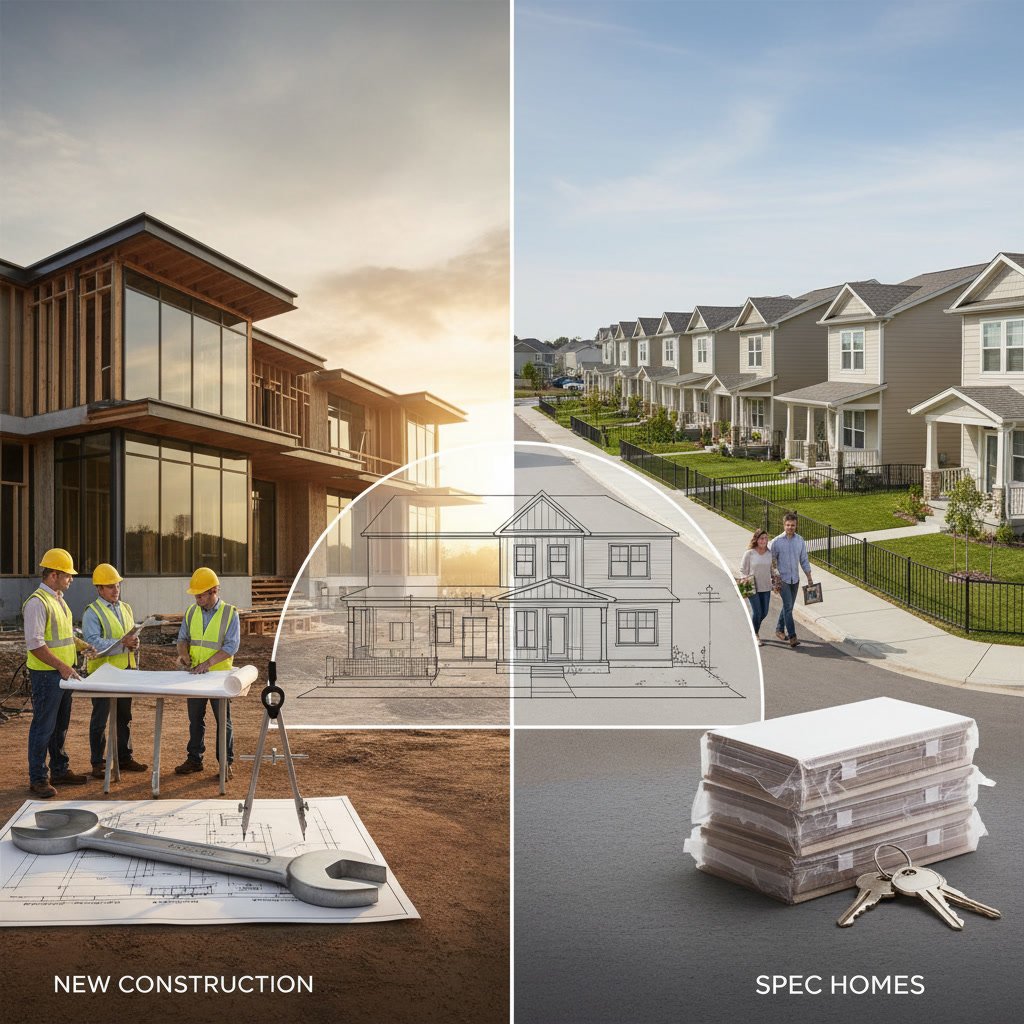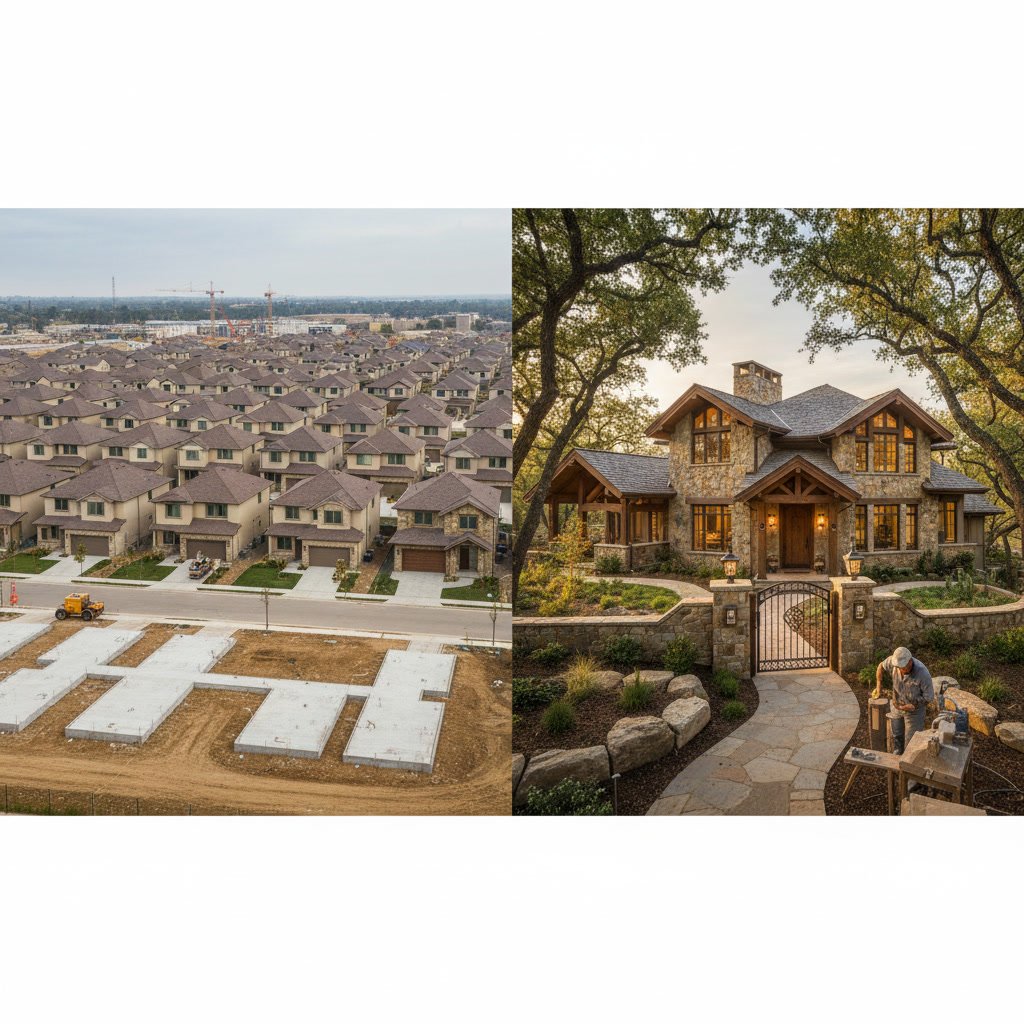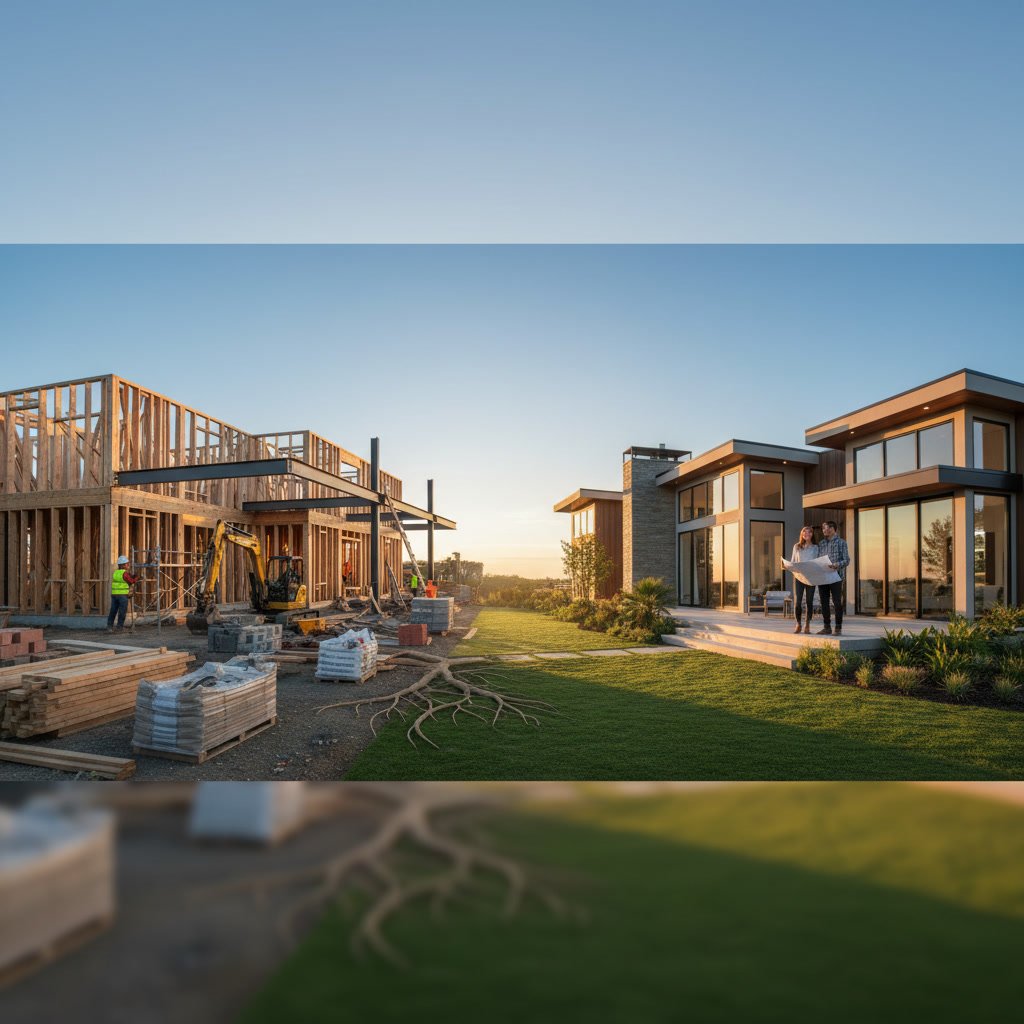
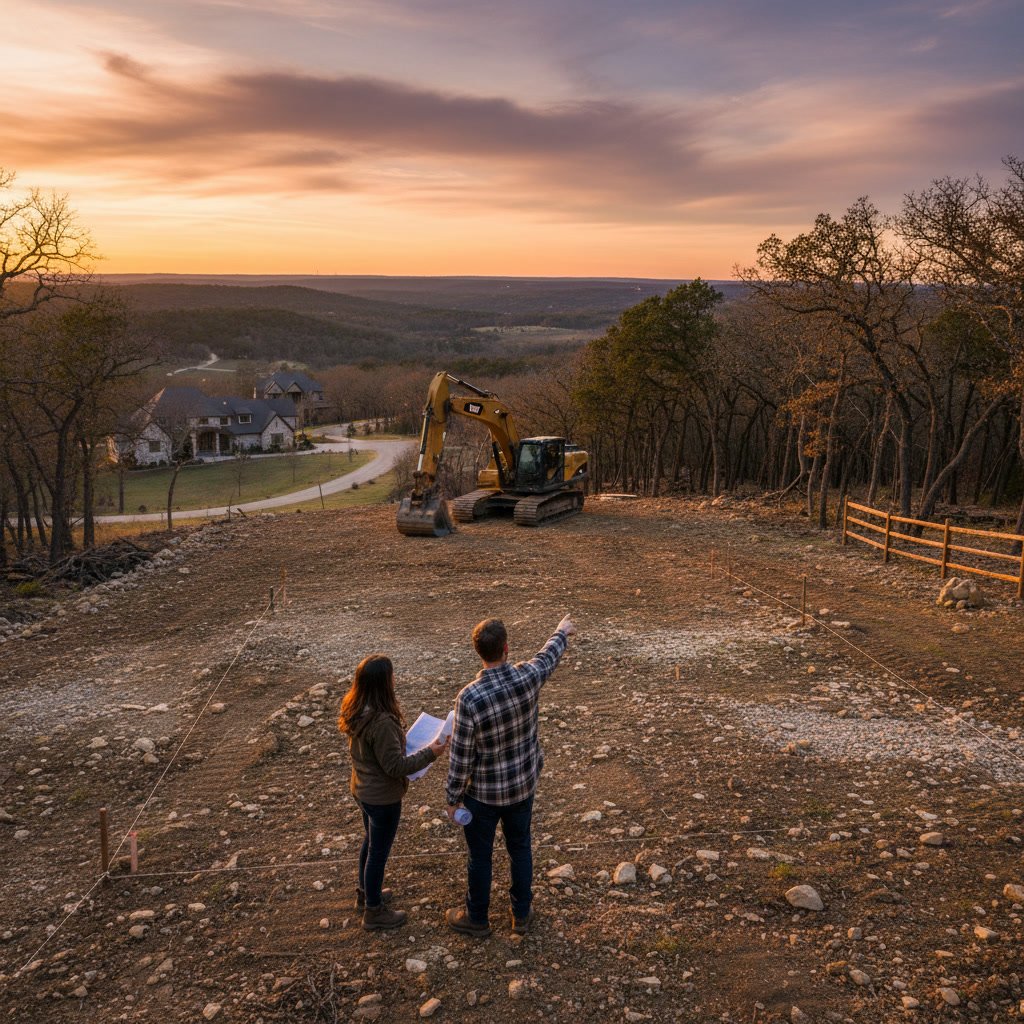
Selecting the right lot determines the success of your entire custom home project before a single board is cut. The process of choosing lot custom home requires evaluating soil conditions, drainage patterns, setback requirements, utility access, and neighborhood restrictions that shape what you can build, how much it costs, and what your finished home will look like. Skip proper lot evaluation and you risk budget overruns, design limitations, or worse, discovering your dream home cannot be built where you planned.
Why Your Lot Decision Matters More Than You Think
Most buyers focus on square footage, floor plans, and finishes when planning a custom home. Yet the piece of land you select influences every one of those choices. A sloped lot adds thousands in grading and foundation costs. A property without city sewer access requires a septic system. Deed restrictions may prohibit your preferred architectural style or limit building height.
The lot sets your budget baseline, defines your home’s orientation, and controls your timeline. Make an informed choice at this stage and the rest of your project flows smoothly. Rush this decision and you will fight constraints for months.
Understanding Zoning and Building Codes Before You Buy
Every lot sits within a zoning district that dictates what you can build. Residential zoning categories specify minimum lot sizes, maximum building heights, setback distances from property lines, and sometimes even architectural styles. Some municipalities in Southeast Florida require coastal construction standards for properties near the Intracoastal or ocean.
Review the zoning designation with the local building department before making an offer. Ask about setback requirements from all four property lines. Confirm height restrictions, especially if you want a two-story design. Request a copy of any deed restrictions, homeowner association rules, or architectural review board guidelines that apply to the property.
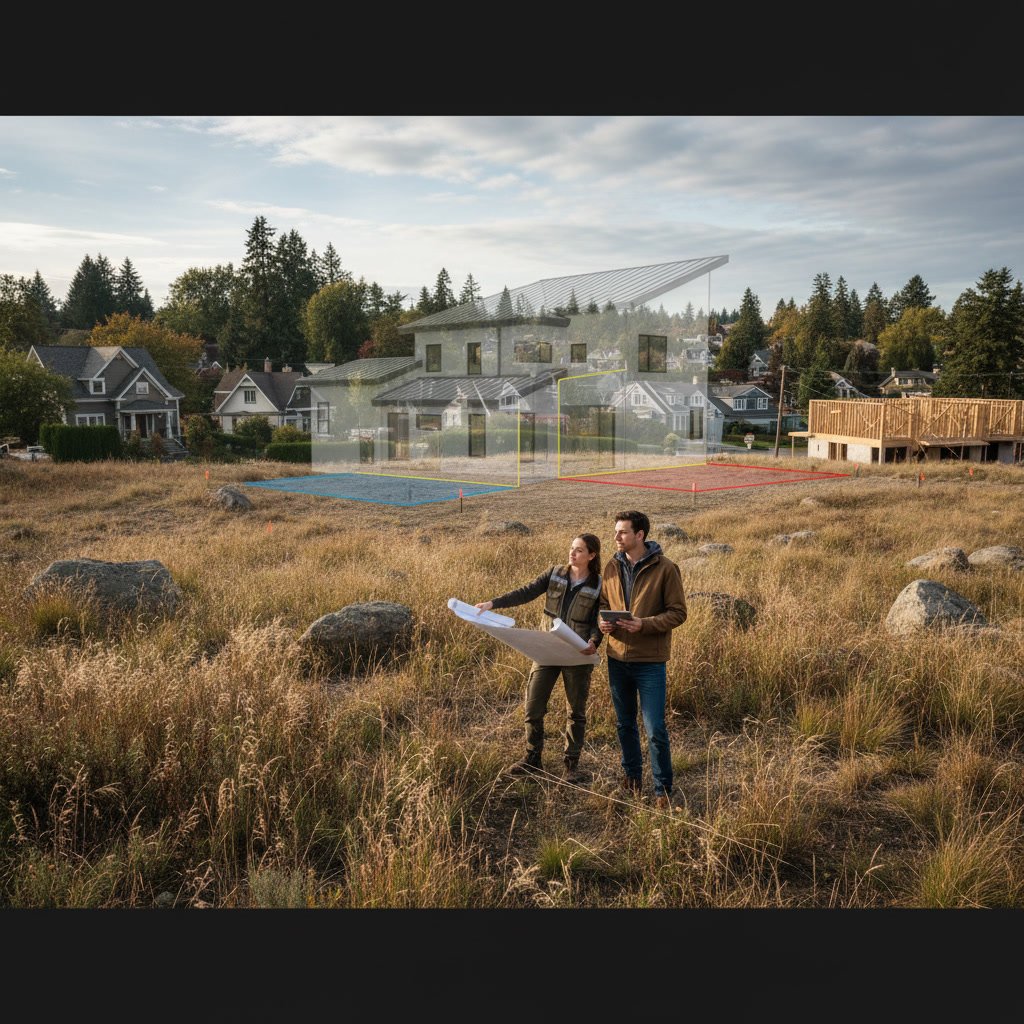
If you are considering a property in one of the barrier islands or waterfront communities, additional environmental regulations often apply. A qualified custom home building team will know these rules and help you evaluate whether a lot meets your goals before you commit.
Evaluating Soil Conditions and Site Grading
Soil quality determines your foundation type and cost. Sandy soils common in coastal areas drain well but may require deeper pilings for structural support. Clay soils hold water and can shift, demanding engineered foundations with proper drainage systems. Fill dirt may need compaction testing before construction begins.
Request a geotechnical report or soil boring test before closing. This analysis reveals soil composition, bearing capacity, and groundwater levels. A flat lot with poor drainage can cost as much to prepare as a sloped lot with good soil.
Grading requirements also affect your budget. A lot that slopes away from the street may need extensive cut-and-fill work to create a level building pad. Water must drain away from your foundation in all directions, which sometimes requires retaining walls, swales, or engineered drainage systems.
Access to Utilities and Infrastructure Costs in Stuart
Utility connections represent a significant cost variable. A lot within city limits typically offers municipal water, sewer, electric, and gas hookups at the street. You pay tap fees and installation costs, but the infrastructure exists.
Rural or newly developed lots may require a well and septic system, adding $15,000 to $30,000 or more to your budget. Electric service extensions beyond a certain distance from existing lines can cost thousands per pole. Natural gas may not be available at all, requiring propane tanks.
Walk the property and identify where utilities enter. Ask the seller for documentation of available services. Contact utility providers directly to confirm capacity, connection fees, and any planned infrastructure improvements that might affect your timeline.
Site Orientation and Natural Features
The direction your lot faces affects energy efficiency, natural light, and outdoor living spaces. In Southeast Florida, southern and eastern exposures bring morning light and prevailing breezes. Western exposures mean intense afternoon sun and heat gain.
Existing trees provide shade and privacy but may conflict with your building footprint or septic field location. Removing large trees costs money and eliminates natural cooling. Wetlands, protected species habitats, or floodplain areas can restrict where you build or require expensive mitigation measures.
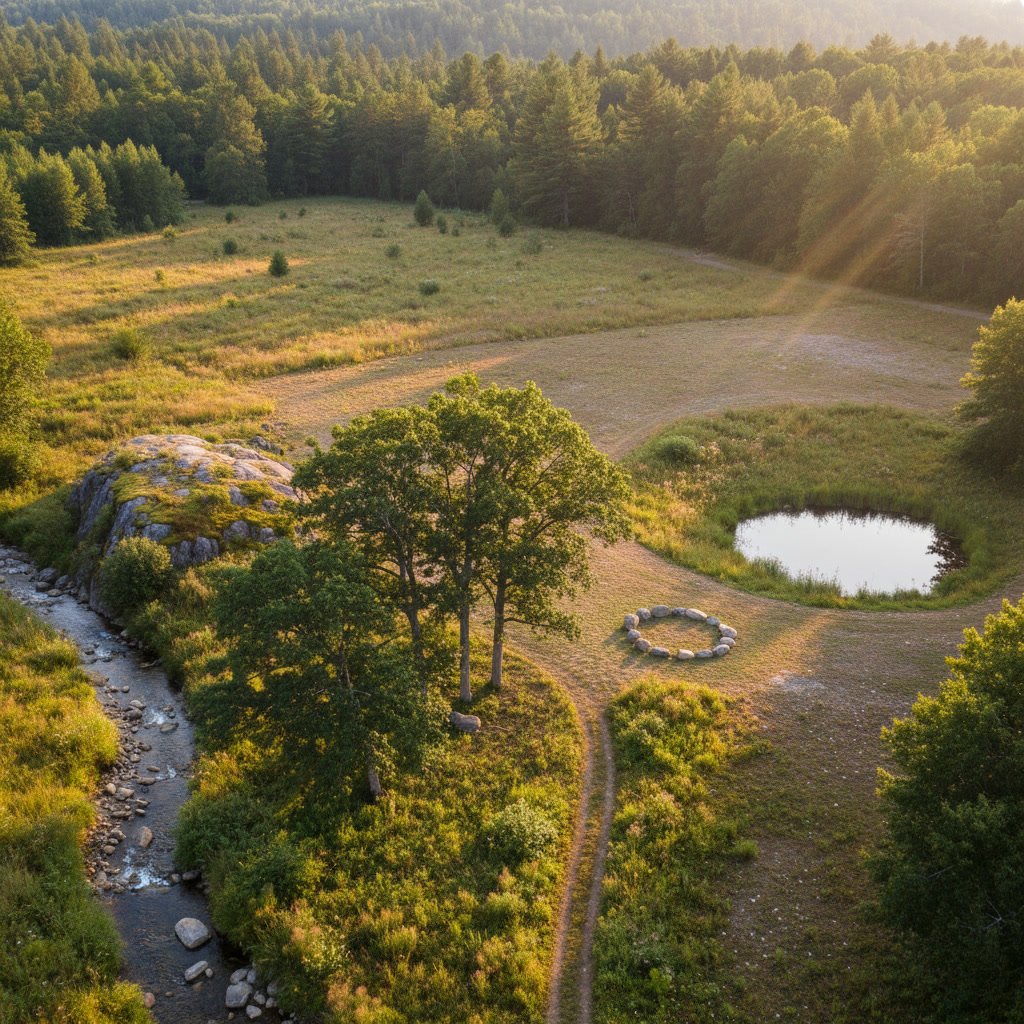
Visit the lot at different times of day. Note sun angles, wind patterns, and noise from nearby roads or commercial areas. Picture where your home will sit and how rooms will relate to outdoor spaces. A lot that looks perfect on paper may feel wrong when you stand on it.
Comparing Lot Sizes and Shapes for Design Flexibility
Minimum lot size does not guarantee design freedom. A narrow, deep lot limits home width and side yard space. An irregularly shaped parcel may force awkward room layouts or wasted square footage.
Calculate your building envelope after applying all setbacks. If you want a 3,000-square-foot single-story home with a pool and outdoor kitchen, ensure the usable area accommodates that program plus required drainage, setbacks, and utility easements.
Corner lots offer more street frontage but require setbacks from two street-facing sides. Interior lots provide more privacy but limit access points for construction equipment. Waterfront lots command premium prices but bring flood zone requirements and often stricter building codes.
Neighborhood Fit and Long-Term Property Value
Your custom home will be your largest investment. The neighborhood context protects or undermines that investment. A carefully designed home in a declining area still loses value. A modest home in a strong, established neighborhood holds value better.
Drive the area multiple times. Look at neighboring properties, lot maintenance, and home styles. Check county records for recent sales. Talk to neighbors about the community, homeowner association responsiveness, and any planned developments nearby.
Consider proximity to schools, shopping, medical facilities, and major roads. A remote lot offers privacy but adds commute time. A lot near commercial areas offers convenience but may bring noise and traffic. Balance lifestyle priorities with resale considerations, even if you plan to stay for decades.
Flood Zones and Insurance Implications
Flood zone designation affects insurance costs and construction requirements. Properties in Special Flood Hazard Areas, designated as zones beginning with A or V, require flood insurance if you carry a mortgage. Premiums vary widely based on base flood elevation and your home’s finished floor height.
Request a current elevation certificate and review the FEMA flood maps for the property. Confirm the base flood elevation and calculate how much fill or foundation height you will need to meet code. Raising a home’s finished floor three feet above grade adds foundation costs but can save thousands annually in insurance premiums.
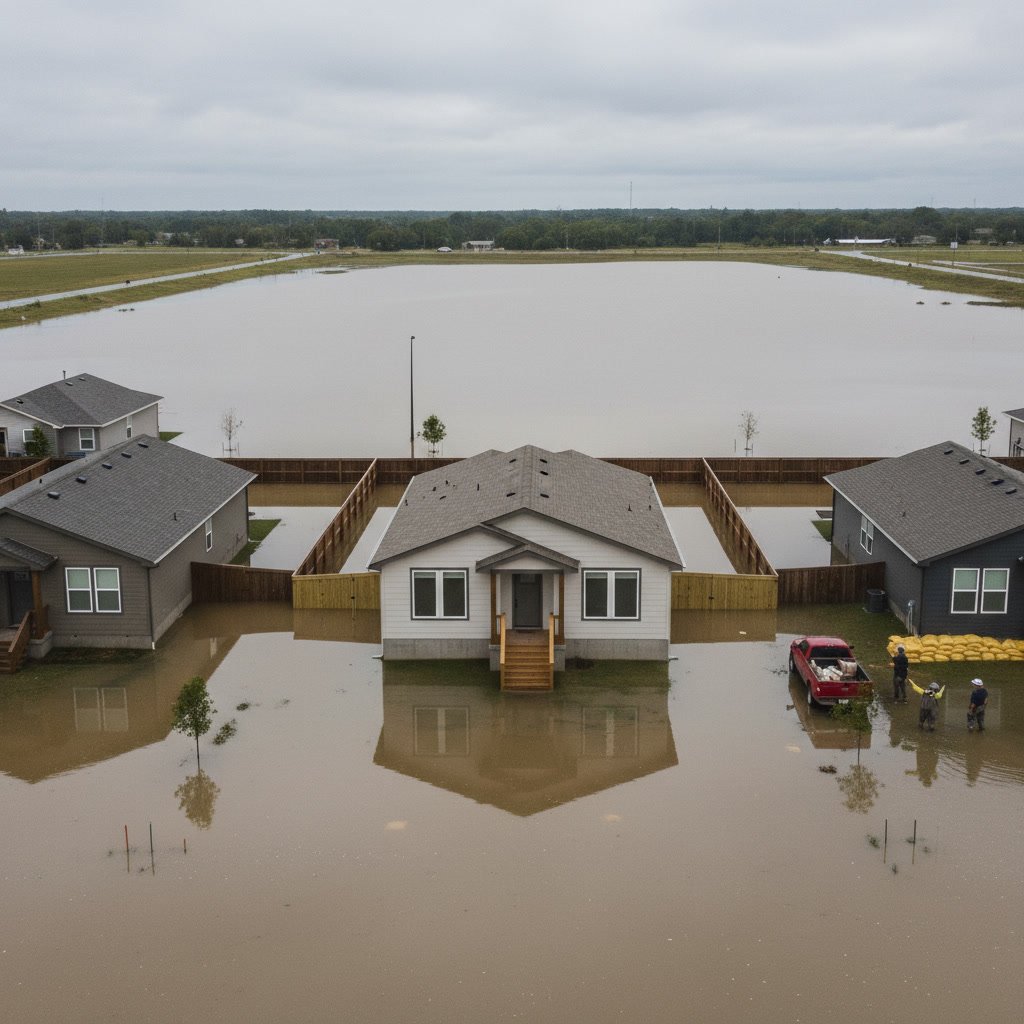
Some buyers avoid flood zones entirely, but many desirable properties in Southeast Florida’s coastal communities fall within these designations. The key is understanding the true cost, including both initial construction expenses and ongoing insurance. A reputable general contracting firm will help you model these costs accurately.
The Hidden Costs You Must Budget Before Closing
Land purchase price is only the starting point. Survey costs, title insurance, environmental assessments, and geotechnical reports add thousands before you own the property. After closing, site preparation begins: clearing, grading, utility installation, driveway construction, and erosion control.
Permit fees for new construction vary by municipality but typically run one to two percent of construction value. Impact fees fund roads, schools, and infrastructure and can exceed $10,000 depending on location and home size. Architectural and engineering fees for custom plans add another layer of cost.
Budget at least 15 to 20 percent of your land cost for these preparation expenses. A $100,000 lot may require $20,000 in additional investment before construction starts. Knowing these numbers upfront prevents surprises and keeps your project on track financially.
Working With Professionals to Vet Your Lot Choice
Buying land without professional guidance is risky. Experienced builders see problems invisible to buyers. A site visit with your contractor, architect, and sometimes a civil engineer reveals drainage issues, access challenges, or code conflicts that derail projects.
Schedule a pre-purchase consultation before you make an offer. Bring survey documents, zoning information, and any available soil or environmental reports. Ask specific questions: Can my desired floor plan fit this lot? What site work costs should I expect? Are there any red flags that would make you walk away?
This consultation costs far less than discovering a fatal flaw after closing. A qualified team will also identify opportunities, like existing trees that reduce landscaping costs or favorable topography that eliminates expensive grading.
Turning Your Lot Into the Foundation of Your Dream Home
The right lot aligns with your budget, supports your design vision, and fits your lifestyle. It allows you to build the home you imagined without compromising on features or draining your contingency fund on unexpected site costs. The wrong lot becomes a constant source of frustration, forcing design compromises and budget adjustments that diminish your final result.
Take the time to evaluate every factor. Visit multiple times in different conditions. Review all documentation with professionals who understand local regulations and construction realities. A thorough lot evaluation protects your investment and sets your project up for success from the very first step.
Edmunds General Contracting brings Fortune 500-level project management and hands-on craftsmanship to every custom home project across Southeast Florida. Whether you are evaluating a lot in Palm Beach Gardens or considering building in Palm City, our team helps you make informed decisions that save time and money. Reach out to discuss your custom home vision and get expert guidance on choosing the perfect property at +15618954016.