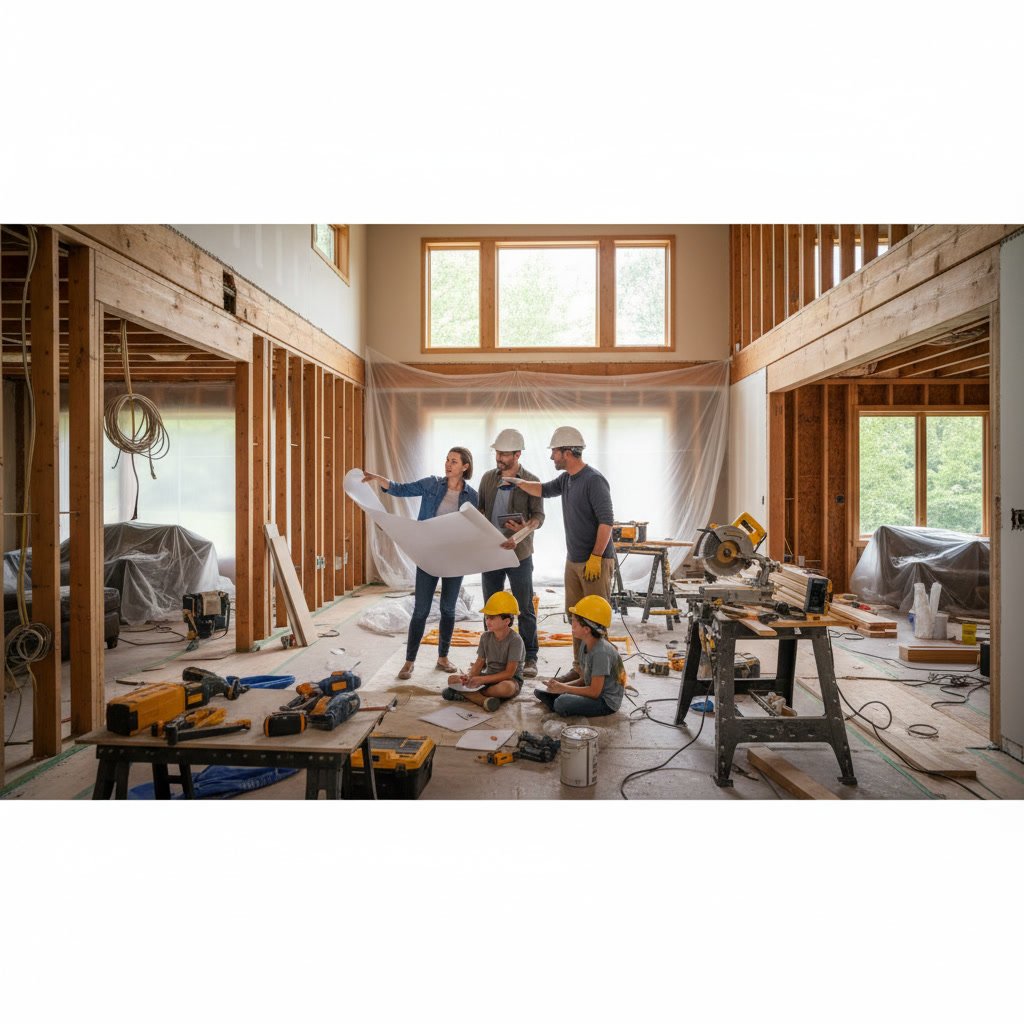
Building a custom home in Palm City gives you complete control over every detail, from the floor plan to the finishes. But one question dominates every early conversation: what will it actually cost? Understanding the custom home cost Palm City homeowners should expect helps you plan realistically and avoid expensive surprises down the road.
This guide breaks down the real numbers behind custom home construction in Southeast Florida. You’ll learn what drives costs up or down, what to budget for each phase, and how to make smart choices that protect your investment without sacrificing quality.
Average Custom Home Building Costs in Palm City
In 2024, most custom homes in Palm City cost between $350 and $600 per square foot for construction alone. That range reflects differences in design complexity, material quality, site conditions, and finishes.
A 2,500 square foot custom home typically runs between $875,000 and $1.5 million. A larger 4,000 square foot estate might cost $1.4 million to $2.4 million or more. These figures cover the structure itself but not land acquisition, which varies widely across Martin County neighborhoods.
Three factors push projects toward the higher end of that range: architectural complexity (curved walls, multiple roof planes, custom millwork), premium materials (marble counters, European fixtures, hardwood throughout), and specialized systems (smart home automation, commercial-grade appliances, pool integration).
Projects at the lower end often feature simpler rooflines, standard ceiling heights, production-grade fixtures, and straightforward rectangular floor plans. Neither approach is wrong, but understanding where your vision falls on that spectrum matters when you start planning.

What Influences Custom Home Cost Palm City Builders Quote
Several variables determine your final price tag. Some are within your control, while others depend on market conditions and site characteristics.
Lot Preparation and Site Work
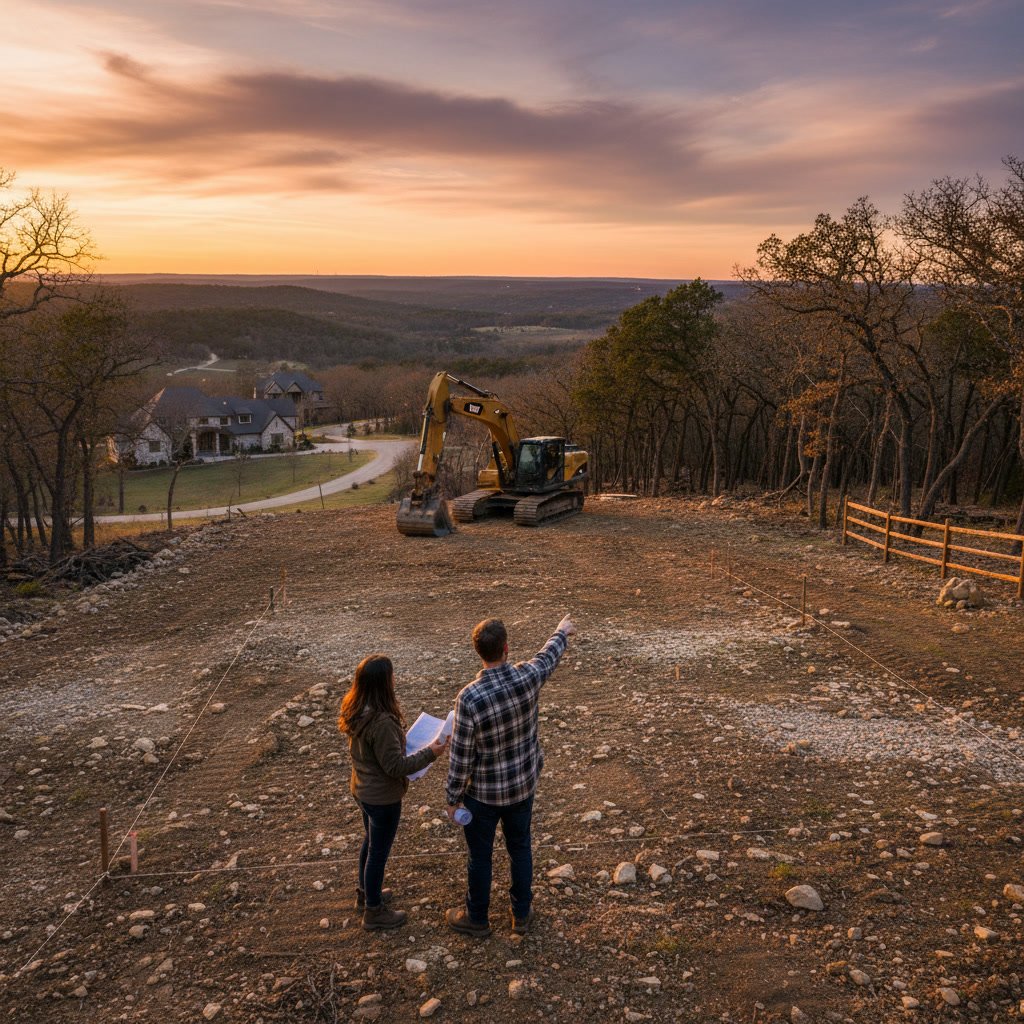
Raw land requires clearing, grading, and utility connections before construction begins. Flat, cleared lots with existing road access cost far less to develop than heavily wooded parcels or properties requiring septic systems and well drilling.
Clearing and grading can range from $5,000 for minimal work to $50,000 or more for challenging sites. Utility connections (water, sewer, electric) typically add $15,000 to $40,000 depending on distance from existing lines.
Foundation Type and Soil Conditions
Most Palm City custom homes use concrete slab foundations, which work well in Florida’s climate and typically cost $8 to $15 per square foot. Poor soil conditions, high water tables, or the need for pilings can double foundation costs.
A geotechnical survey before you buy land helps identify potential foundation challenges early. Spending $1,500 on soil testing can save you $30,000 in unexpected foundation work later.
Architectural Design and Engineering
Custom architectural plans run between $8,000 and $25,000 for most residential projects, depending on complexity and revisions. Structural engineering adds another $3,000 to $8,000.
More intricate designs require more engineering hours. Large cantilevers, expansive window walls, or unusual roof systems increase both design and construction costs.
Construction Materials and Finishes
Material selections create the widest cost variation between projects. The difference between builder-grade and luxury finishes can add $100,000 or more to a 3,000 square foot home.
Flooring choices illustrate this clearly: luxury vinyl plank costs $4 to $8 per square foot installed, while imported tile runs $12 to $25 per square foot, and hardwood ranges from $10 to $30 per square foot depending on species and grade.
Kitchen and bath fixtures, cabinetry, countertops, and lighting create similar ranges. A standard kitchen might cost $35,000, while a chef-grade space with custom cabinetry and commercial appliances can exceed $150,000.
Breaking Down the Budget by Construction Phase
Understanding how costs distribute across the building process helps you allocate your budget and identify potential savings.
Foundation and Framing
Foundation and structural framing typically represent 15 to 20 percent of total construction costs. For a $1.2 million home, that’s $180,000 to $240,000.
This phase includes concrete work, block or wood framing, roof trusses or framing, and structural elements. Quality matters here because corrections after this stage become exponentially more expensive.
Exterior Envelope
Roofing, siding, windows, and exterior doors make up another 12 to 18 percent of the budget. Hurricane-rated windows and impact-resistant doors cost more in Florida but provide insurance savings and storm protection.
Roofing material choices significantly affect this category. Architectural shingles cost $4 to $7 per square foot installed, concrete tile runs $9 to $15, and metal roofing ranges from $10 to $18 per square foot.

Mechanical, Electrical, and Plumbing
HVAC, electrical, and plumbing systems account for 15 to 20 percent of construction costs. Florida’s climate demands robust air conditioning, and larger homes need multiple zones for efficiency.
A quality HVAC system for a 3,000 square foot home runs $15,000 to $30,000. Electrical work including panels, wiring, outlets, and fixtures adds $25,000 to $50,000. Plumbing rough-in and fixtures typically cost $20,000 to $45,000.
Interior Finishes
This category consumes 25 to 35 percent of your budget and includes flooring, cabinetry, countertops, interior doors, trim, paint, and built-ins. It’s where your home’s personality emerges and where cost control matters most.
Strategic choices here preserve quality while managing expenses. For example, using premium finishes in main living areas and guest spaces while choosing mid-range options for secondary bedrooms creates impact without waste.
Hidden Costs Beyond the Contract Price
Several expenses fall outside typical construction contracts. Budget an additional 15 to 25 percent above the base construction cost for these items.
Permits and impact fees in Palm City and Martin County typically range from $15,000 to $35,000 depending on home size and location. These are non-negotiable government charges.
Landscaping and irrigation often surprise new homeowners. Professional landscaping with sod, plants, irrigation, and hardscaping runs $15,000 to $60,000 or more for typical lots.
Driveway and walkway installation adds $8,000 to $25,000 depending on length, width, and material choice. Concrete runs $6 to $12 per square foot, while pavers cost $12 to $25 per square foot installed.
Temporary power, dumpsters, and portable facilities during construction add $5,000 to $10,000. Construction loans carry interest charges that accumulate during the build, typically adding 1 to 3 percent of the loan amount.
Pro Tip: Set aside 10 percent of your total budget as a contingency fund. Even well-planned projects encounter unexpected conditions, design changes, or material substitutions. This buffer prevents difficult decisions late in construction when funds run short.
How to Control Costs Without Sacrificing Quality
Smart planning reduces expenses while maintaining the quality your investment deserves. These strategies work for projects at any budget level.
Design efficiently from the start. Simple rectangular floor plans cost less to build than complex shapes with multiple angles and jogs. Each corner adds framing, roofing, and finish work. A 3,000 square foot rectangle costs 15 to 20 percent less than the same square footage broken into multiple wings.
Limit design changes once construction starts. Each modification triggers ripple effects through multiple trades. A kitchen layout change after framing might affect plumbing, electrical, HVAC, and cabinetry, potentially adding $10,000 or more in extra costs.
Choose materials strategically. High-visibility areas like the kitchen, master suite, and main living spaces deserve premium finishes. Guest bedrooms, utility spaces, and closets function perfectly well with quality mid-grade materials.
Plan your lot purchase carefully. A prepared lot with utilities nearby saves tens of thousands compared to raw land requiring extensive development. Sometimes paying more for the right lot reduces total project cost.
Work with experienced professionals who understand local conditions. Contractors familiar with Southeast Florida’s building codes, soil conditions, and weather patterns avoid costly mistakes and delays. Edmunds General Contracting brings Fortune 500-level project management to residential construction, ensuring efficient execution and transparent budgeting throughout your build.

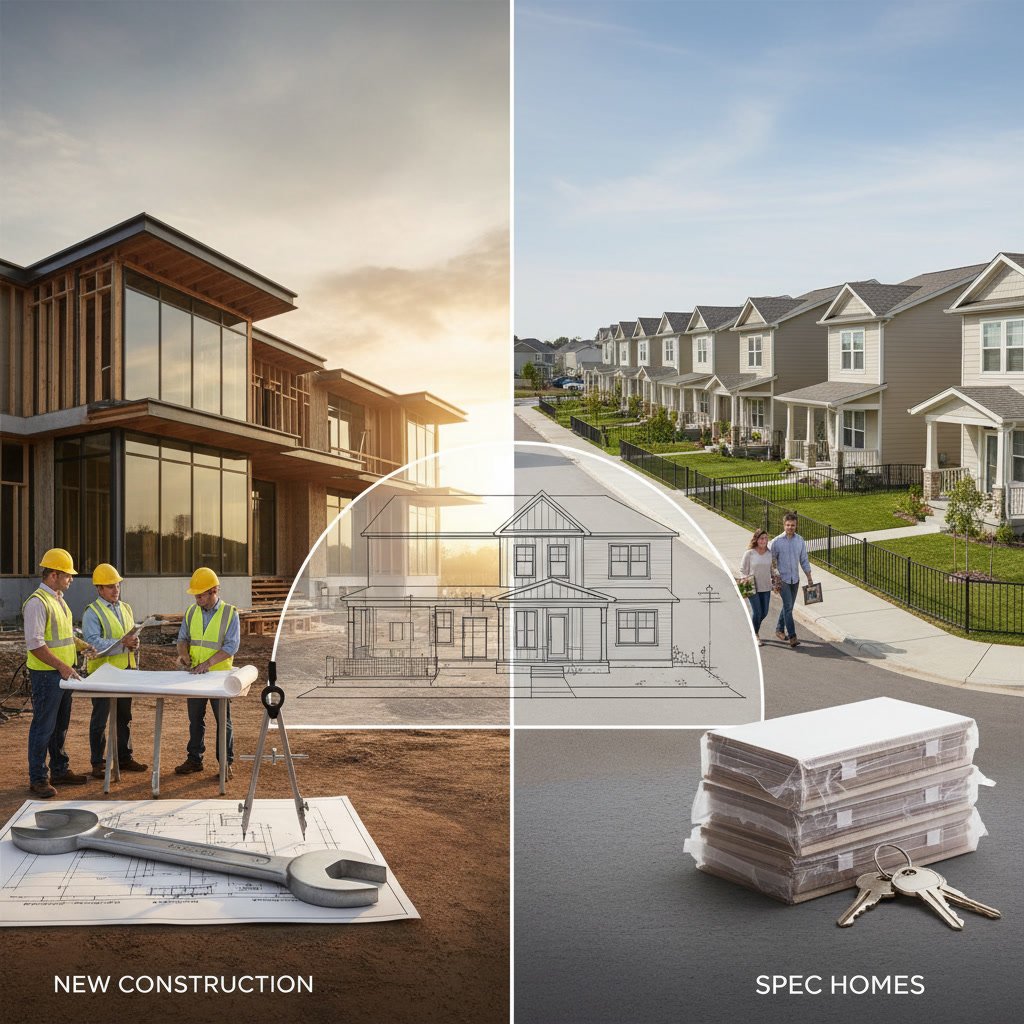
Comparing Custom Build vs Existing Home Purchase
Many buyers weigh building custom against purchasing an existing home. Each path offers distinct advantages depending on your priorities.
Custom building costs more per square foot than buying existing construction. A 3,000 square foot existing home in Palm City might sell for $700,000 to $1.2 million, while building the same size custom typically costs $1.05 million to $1.8 million including land.
However, custom building delivers exactly what you want. You choose the location, the floor plan, every finish, and every system. Nothing needs immediate updating, and you know the quality of every component because you selected it.
Existing homes often require immediate renovations. That $900,000 house might need $100,000 in updates to kitchens, baths, flooring, and systems. After those renovations, you’ve spent custom-build money on someone else’s floor plan.
Energy efficiency favors new construction. Modern building codes, insulation standards, and HVAC systems reduce operating costs significantly. Lower utility bills offset some of the higher initial investment over time.
Financing Your Custom Home Project
Construction loans differ from traditional mortgages. Understanding how they work prevents funding gaps that delay your project.
Most construction loans provide funds in stages called draws. The lender releases money as you complete specific phases: foundation, framing, dried-in, mechanical rough-in, and final completion. Each draw requires an inspection.
You typically need 20 to 25 percent down for a construction loan. Total project costs include land purchase, construction, and soft costs. If your project totals $1.2 million, expect to provide $240,000 to $300,000 upfront.
Interest during construction accrues on drawn funds only. If you’ve drawn $400,000 of a $1 million construction loan, you pay interest on $400,000, not the full amount. Most loans convert to traditional mortgages at completion.
Working with lenders experienced in construction financing smooths the process. They understand builder draw schedules and inspection requirements, reducing administrative friction during your build.
Timeline and Its Impact on Total Cost
Construction duration directly affects your bottom line through interest charges, temporary housing costs, and market price fluctuations.
Most custom homes in Palm City take eight to 14 months from groundbreaking to certificate of occupancy. Complex designs, luxury finishes, or supply chain delays can extend that to 16 or 18 months.
Each additional month adds construction loan interest. On a $1 million loan at 7 percent, each month costs about $5,800 in interest. A three-month delay adds more than $17,000 to your total investment.
Efficient project management compresses timelines without sacrificing quality. Experienced contractors sequence trades effectively, maintain material inventories, and resolve issues quickly. These capabilities save money by reducing financing costs and getting you into your home sooner.
Key Takeaway: Timeline efficiency matters as much as material choices when controlling total project cost. A well-managed nine-month build saves significant money compared to a 14-month project, even if construction costs are identical.
Working With the Right General Contractor
Your contractor selection influences every aspect of your project, from budget accuracy to final quality. Experience, communication, and local knowledge separate exceptional results from disappointing ones.
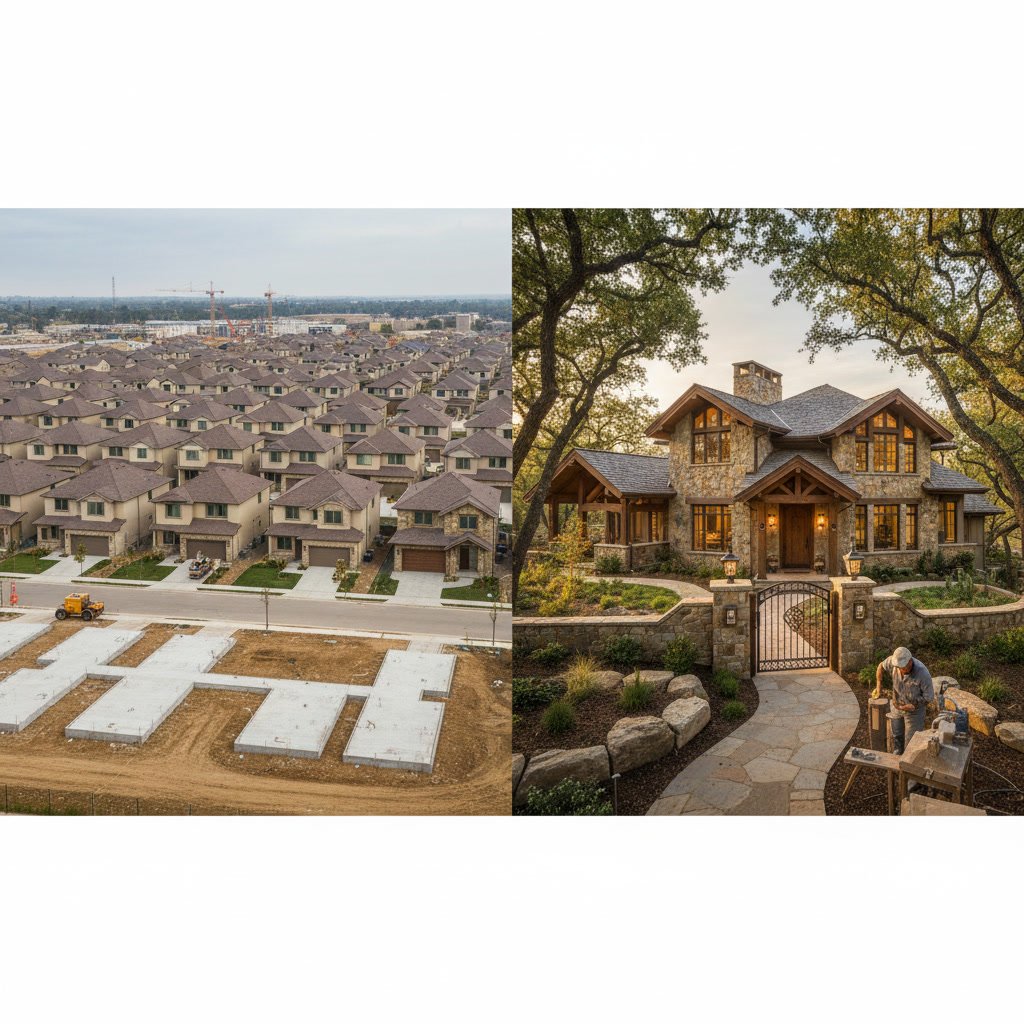
Look for contractors with dedicated custom home experience. Production homebuilding and custom work require different skill sets. Custom projects demand flexibility, detailed communication, and the ability to execute unique designs rather than repeat standard plans.
Verify their understanding of local conditions. Southeast Florida’s soil, weather, and building codes create specific requirements. Contractors familiar with Martin County permitting, hurricane standards, and regional suppliers execute projects more efficiently.
Evaluate their project management approach. How do they handle schedules, subcontractor coordination, and budget tracking? Clear systems and regular communication prevent the misunderstandings that drive costs up and satisfaction down.
Check references from recent custom builds, not just remodels or production homes. Speak with past clients about budget adherence, problem resolution, and final quality. Their experiences predict yours more accurately than any marketing material.
Frequently Asked Questions
Is building a custom home in Palm City more expensive than other Florida areas?
Palm City’s construction costs align closely with other Martin County and northern Palm Beach County communities. Coastal locations like Jupiter and Tequesta sometimes run slightly higher due to stricter hurricane codes and land costs. Overall, Southeast Florida construction costs run 10 to 15 percent above central Florida markets but remain below South Florida metro areas.
How much should I budget for land before building in Palm City?
Residential lots in Palm City range from $100,000 for standard half-acre parcels to $500,000 or more for premium waterfront or larger estate sites. Most buyers building custom homes invest $150,000 to $300,000 in land. The general rule suggests land should represent 20 to 25 percent of your total project budget including construction.
Can I act as my own general contractor to save money?
Owner-builder projects can save the general contractor’s fee, typically 15 to 20 percent of construction costs. However, you assume all coordination, scheduling, permitting, and problem-solving responsibilities. Most owners without construction experience lose those potential savings through inefficiencies, mistakes, and extended timelines. The approach works best for those with industry knowledge and significant time availability.
What percentage should I expect to pay upfront before construction begins?
Reputable contractors typically request 10 to 15 percent to begin, covering mobilization, permits, and initial materials. Payments then follow a draw schedule tied to completion milestones. Avoid contractors demanding large upfront payments before work begins. A schedule that aligns payments with completed work protects both parties and indicates professional business practices.
How does the custom home cost Palm City builders quote compare to major renovations?
Extensive whole-home renovations often cost 60 to 80 percent as much as new construction per square foot, sometimes more if structural changes are involved. A gut renovation transforming a 2,500 square foot home might cost $350,000 to $650,000, while building new would run $875,000 to $1.5 million. Renovation makes sense when you love the location or floor plan, while custom building suits those wanting exactly what they envision from foundation to roofline.
Moving Forward With Your Custom Home Project
Understanding custom home cost Palm City builders work with helps you plan realistically and make informed decisions throughout your project. Budget between $350 and $600 per square foot for construction, add 15 to 25 percent for land preparation and soft costs, and maintain a contingency fund for unexpected expenses.
The difference between a smooth, satisfying build and a stressful, over-budget experience often comes down to the team you choose. Quality project management, transparent communication, and deep local expertise protect your investment and deliver the home you’re envisioning.
Edmunds General Contracting serves homeowners throughout Palm City, Stuart, Jensen Beach, and Southeast Florida with custom home building that combines hands-on craftsmanship with Fortune 500-level project management. If you’re ready to discuss your custom home project and get accurate budget guidance based on your specific vision, reach out at +15618954016 to start the conversation.